
Critical Fitout Details That Often Get Missed in Early Design Stages
In early design, focus tends to sit on layout, branding and overall aesthetics. But it’s rarely these elements that cause problems.
It’s the unresolved details—services, tolerances, compliance, and operational planning—that determine whether a fitout runs smoothly or becomes costly and reactive.
For premium retail and hospitality projects, missing these early leads to delays, variations and compromised outcomes later.
Here are the critical details that are often overlooked—and how to address them from the outset.
1. Service Coordination Within Joinery
Services are often designed independently of joinery, leading to conflicts during construction.
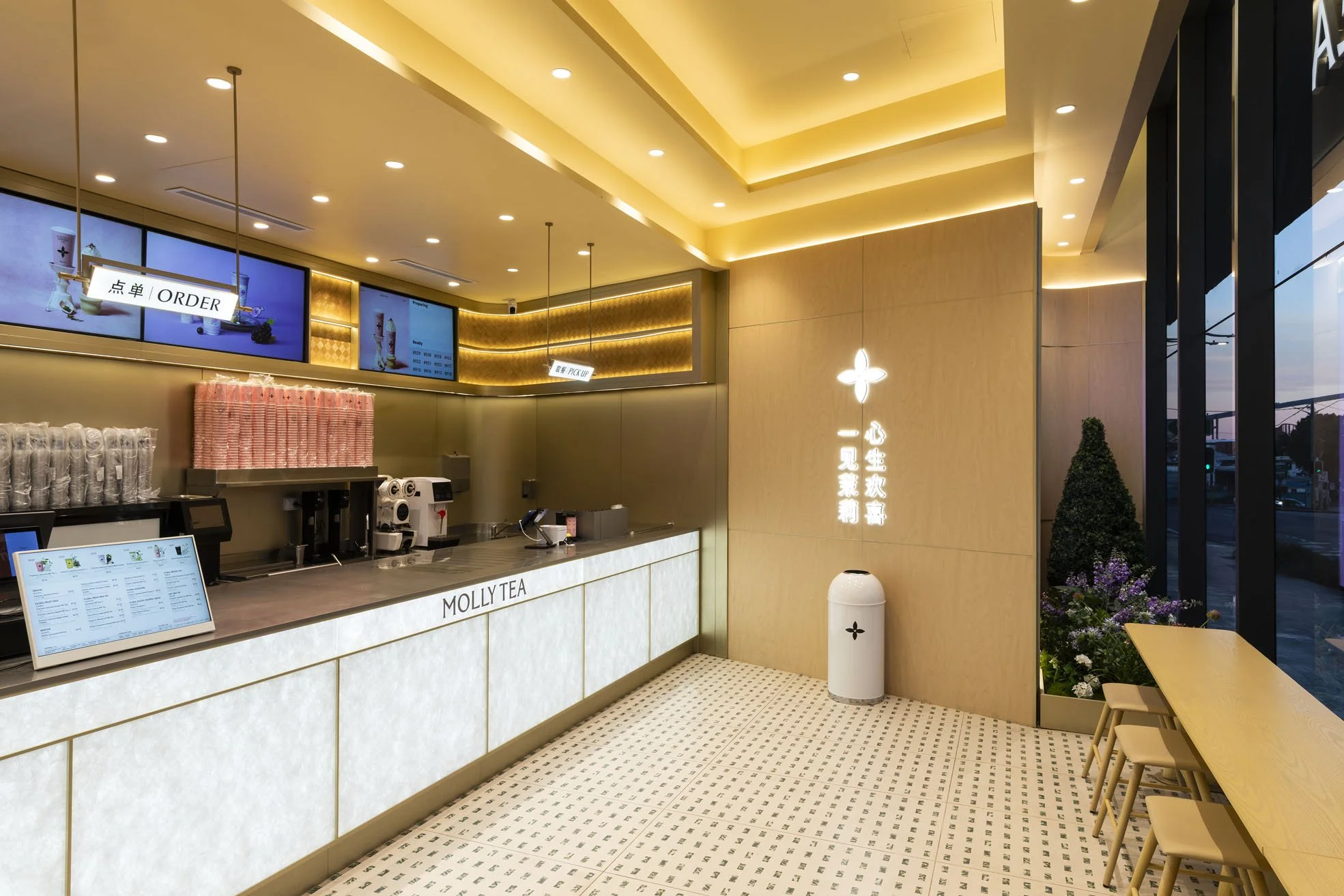
What gets missed: Power points behind fixed cabinetry, plumbing clashing with drawers, and insufficient space for equipment connections.
Trinity Insight: We coordinate services and joinery from the start, ensuring alignment before fabrication.
This level of integration is central tohow shopfitters coordinate with architects and consultants.
2. Tolerances and Buildability
Design drawings can appear seamless—but construction requires allowances for materials, movement and installation.
What gets missed: Unrealistic flush details, tight junctions that can’t be installed cleanly, no allowance for expansion or adjustment.
Trinity Insight: We resolve tolerances early through detailed shop drawings—ensuring the design is buildable, not just visual.
This is a common issue addressed indesign intent vs build reality.
3. Back-of-House Functionality
Front-of-house is prioritised early—while operational requirements are often underdeveloped.
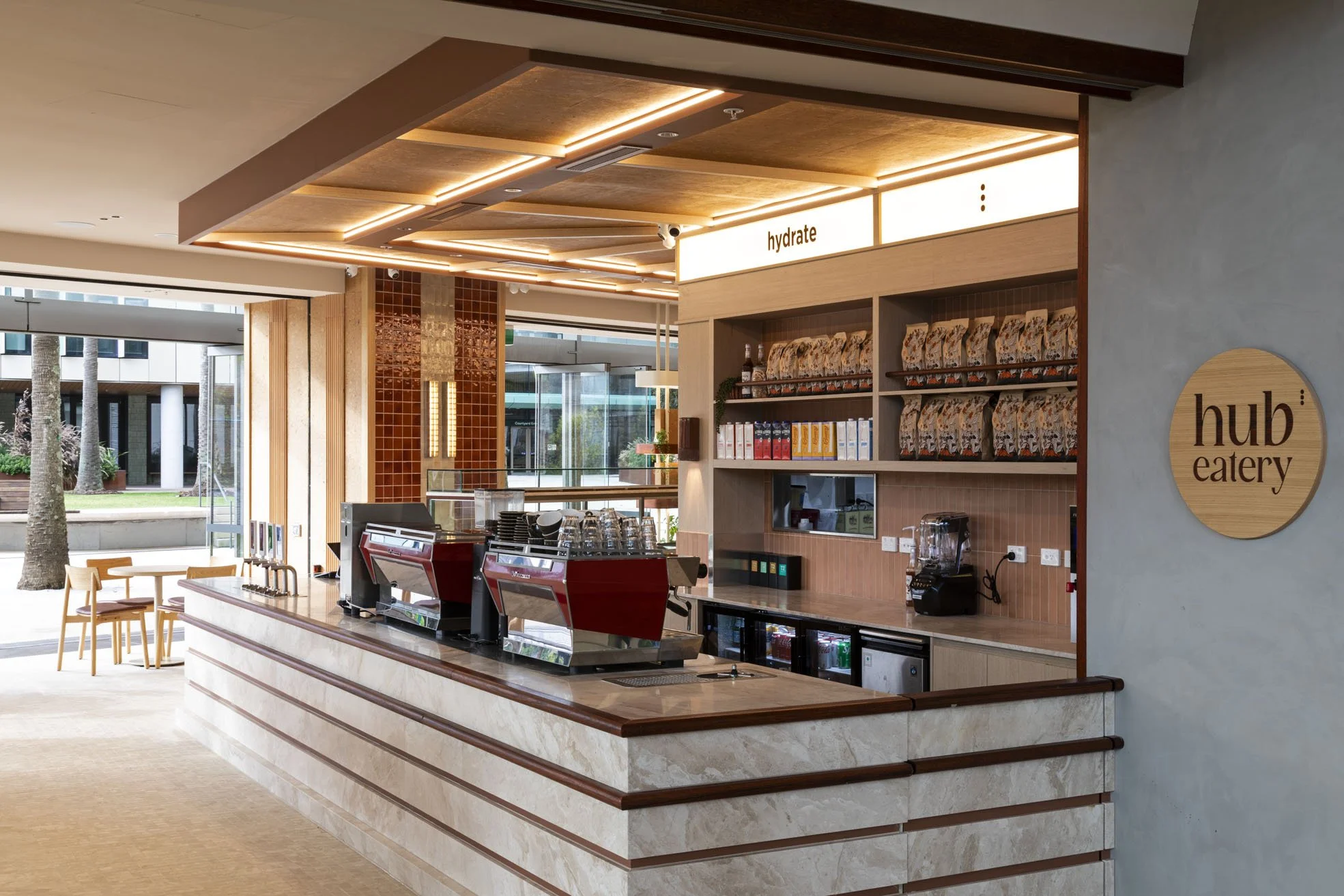
What gets missed: Insufficient storage, poor stock access, inefficient staff workflows.
Trinity Insight: We design for operation—ensuring back-of-house supports performance, not just presentation.
Because ultimately,a successful fitout is measured after opening day.
4. Material Performance in Real Conditions
Materials are often selected based on appearance—without considering how they perform over time.
What gets missed: Finishes that scratch, stain, reflect poorly under lighting, or degrade under traffic.
Trinity Insight: We assess materials based on real-world performance—ensuring durability, consistency and longevity.
For context, seewhy material selection matters more than trends.
5. Compliance Considered Too Late
Compliance is sometimes treated as a final check—rather than an input into design.

What gets missed: Clearances, fire requirements, accessibility, and exit paths.
Trinity Insight: We integrate compliance early—so it informs the design, not disrupts it.
This avoids delays outlined infitout compliance in NSW.
6. Maintenance and Access
Clean, seamless designs often overlook how the space will be maintained.
What gets missed: Access panels, service clearances, and removable components for repairs.
Trinity Insight: We design for long-term use—ensuring all elements are accessible, serviceable and practical.
7. Programme and Procurement Alignment
Design decisions are sometimes made without considering lead times or sequencing.
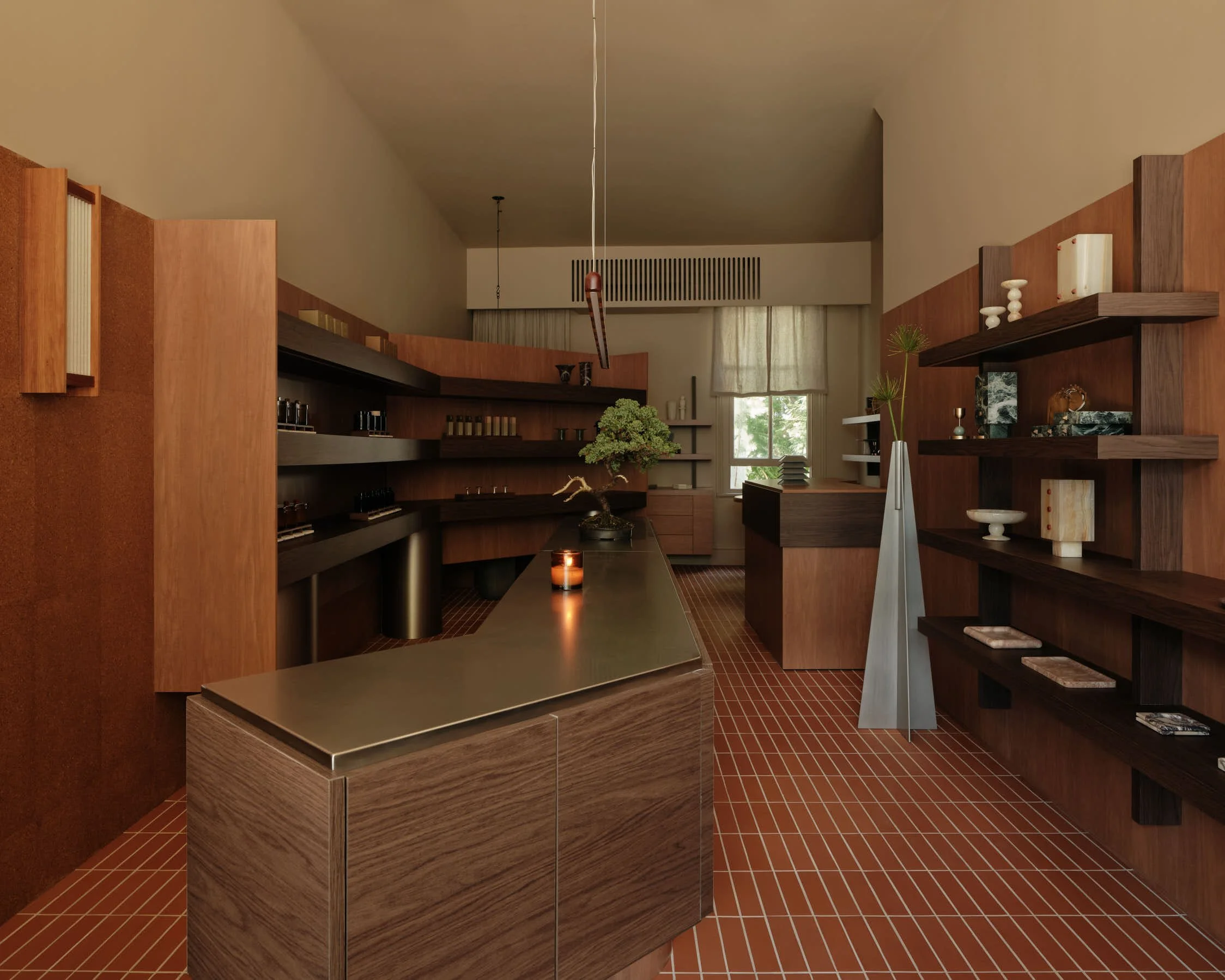
What gets missed: Long-lead materials, fabrication timelines, trade dependencies.
Trinity Insight: We align design with programme—ensuring selections support delivery, not delay it.
This is critical forfast-turnaround fitouts.
8. Future Flexibility
Designs are often fixed to current needs, with limited consideration for change.
What gets missed: Adaptability for new products, layouts or campaigns.
Trinity Insight: We incorporate modular and adaptable systems—allowing the space to evolve without major rework.
Final Word
Fitout success is determined early—long before construction begins. When critical details are resolved upfront, risk is reduced, costs are controlled, and design intent is protected.
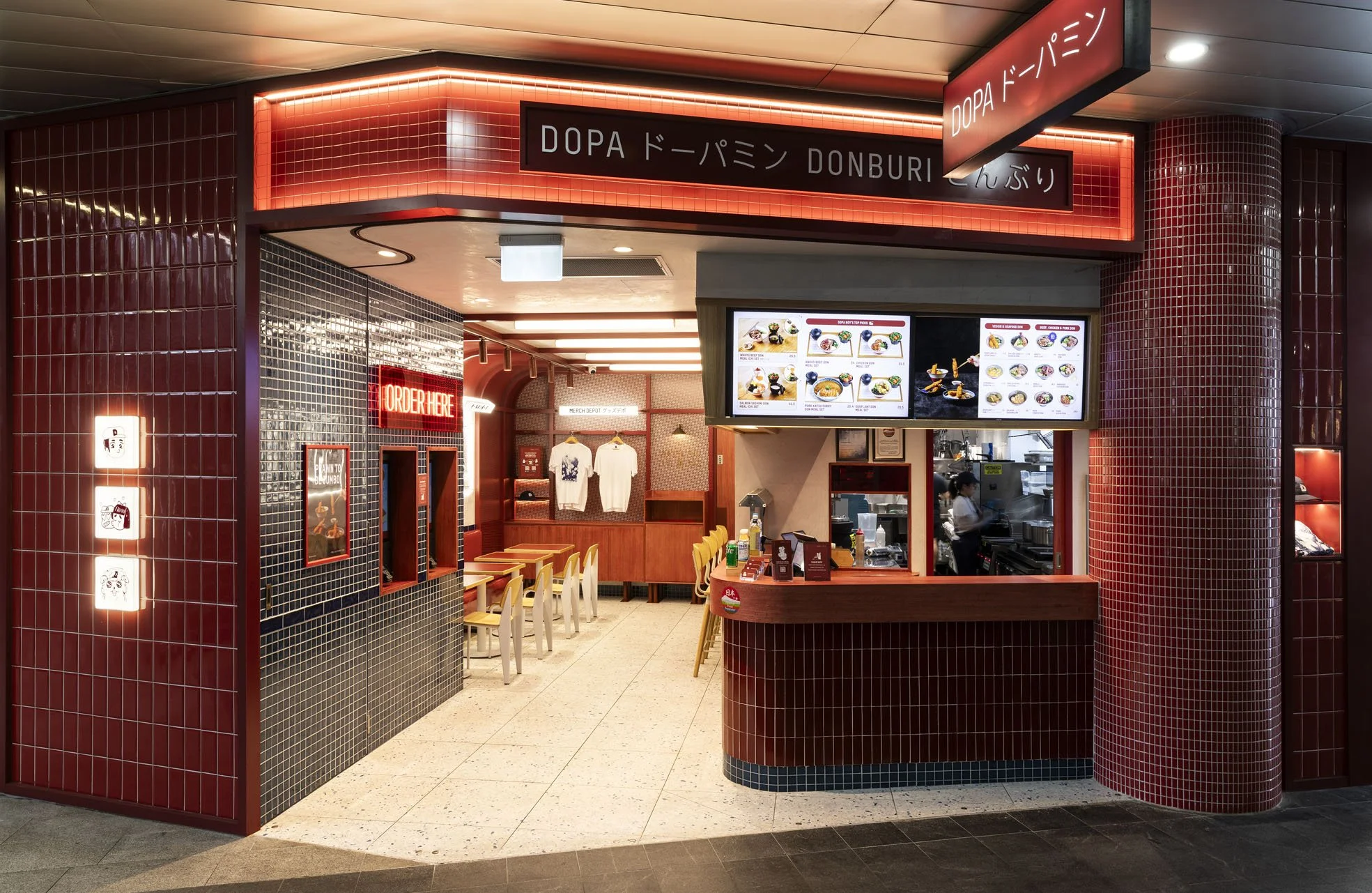
At Trinity Shopfitting, we bring construction thinking into the design stage, ensuring everything is considered, coordinated, and buildable.
Planning a fitout and want to get it right from the start? Let’s make it seamless.
