Design Intent vs Build Reality: How Shopfitters Protect Architectural Vision
In commercial interiors, the gap between concept and completion is where projects are either delivered—or diluted.
What looks resolved on paper doesn’t always translate on site. Materials behave differently, tolerances shift, and existing conditions introduce constraints that drawings alone don’t capture.
For premium retail and hospitality brands, protecting design intent isn’t optional—it’s critical. It’s not about building what’s drawn. It’s about understanding what the design is meant to achieve—and ensuring that outcome is realised without compromise.
Here’s how experienced shopfitters bridge the gap between vision and reality.
1. Translating Concept Into Buildable Detail
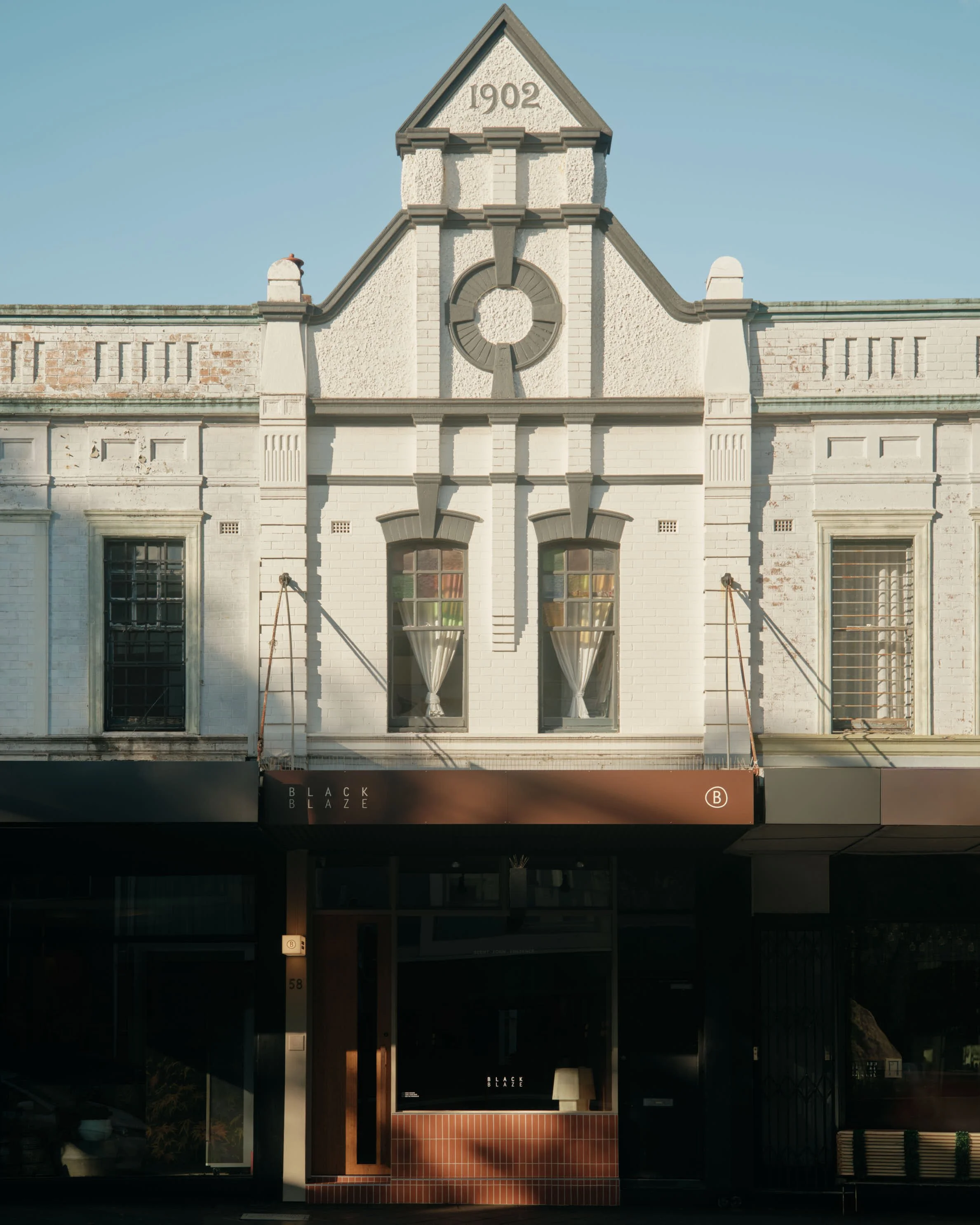
Architectural drawings communicate intent—but not always construction logic. Without proper resolution, details can be simplified, misinterpreted, or lost during delivery.
Trinity Insight: We convert design into fully resolved shop drawings—where every junction, finish and fixing is defined before construction begins. Nothing is left to interpretation on site.
This level of clarity is what separates a specialist from a general contractor—and why understanding the difference between a builder and a shopfitter matters early.
2. Material Reality vs Visual Specification
A material that works in a sample or render doesn’t always perform the same at scale, under lighting, or in high-use environments.
Trinity Insight: We validate materials in real conditions—assessing durability, reflection, and finish consistency. The goal is simple: what’s specified must perform as intended, not just look the part.
This is why material selection matters more than trends in long-term fitout performance.
3. Managing Site Constraints Without Compromise
Every site introduces constraints—services, structure, access, compliance. Left unresolved, these force reactive design changes during construction.
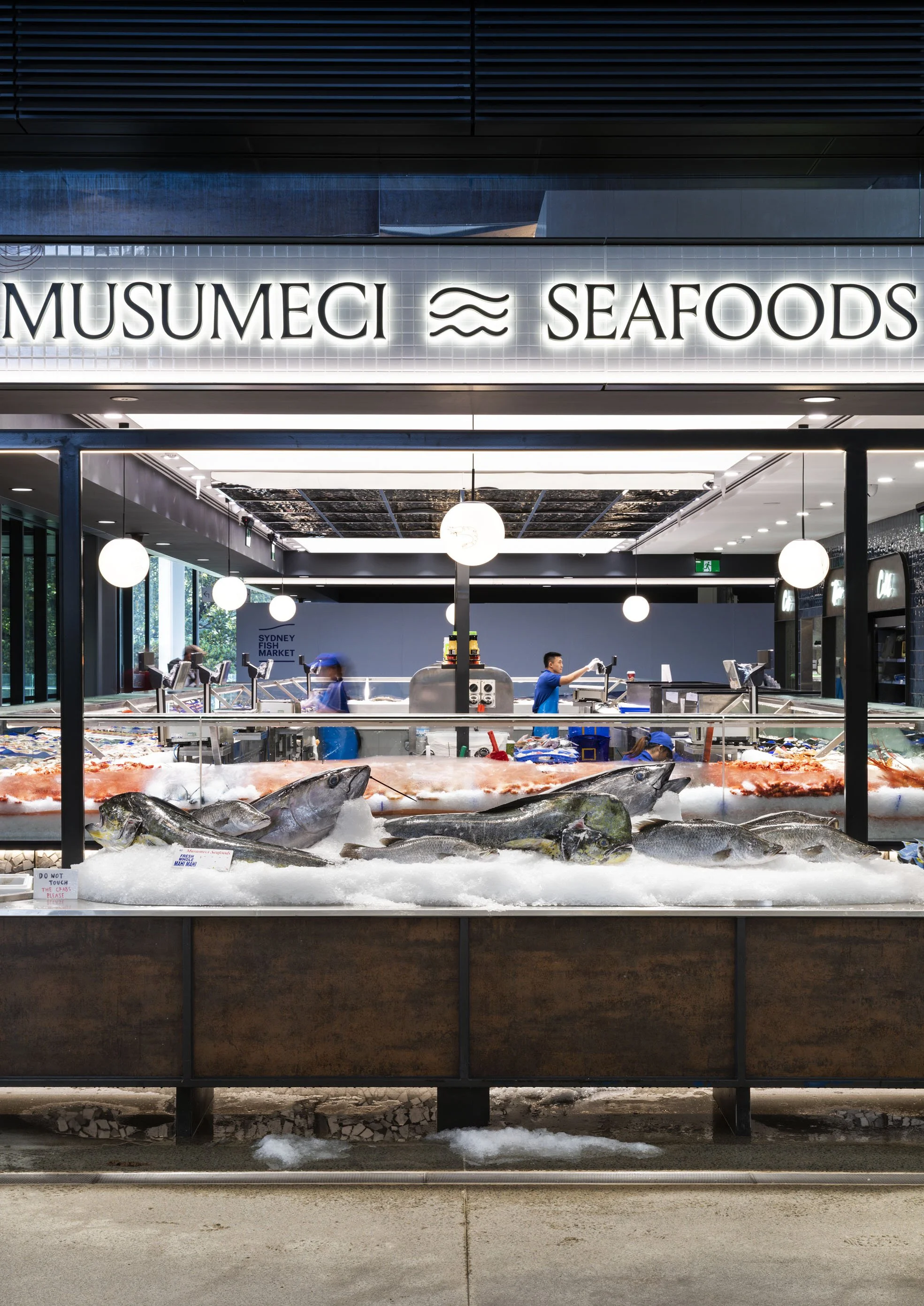
Trinity Insight: We identify constraints early and coordinate with designers and consultants to resolve them upfront—protecting design intent while ensuring buildability.
This proactive approach avoids common delays highlighted in fitout compliance in NSW.
4. Precision in Joinery and Finishes
In premium environments, execution is everything. Misalignment, inconsistent joins or poor detailing immediately undermine the space.
Trinity Insight: We build to exact tolerances—ensuring clean lines, consistent finishes and seamless transitions. Not to minimum standard—but to design intent.
5. Coordinating Trades to Protect the Outcome
Even well-resolved designs can fail through poor sequencing or trade misalignment. Services clashes, rushed installs or rework all impact the final result.
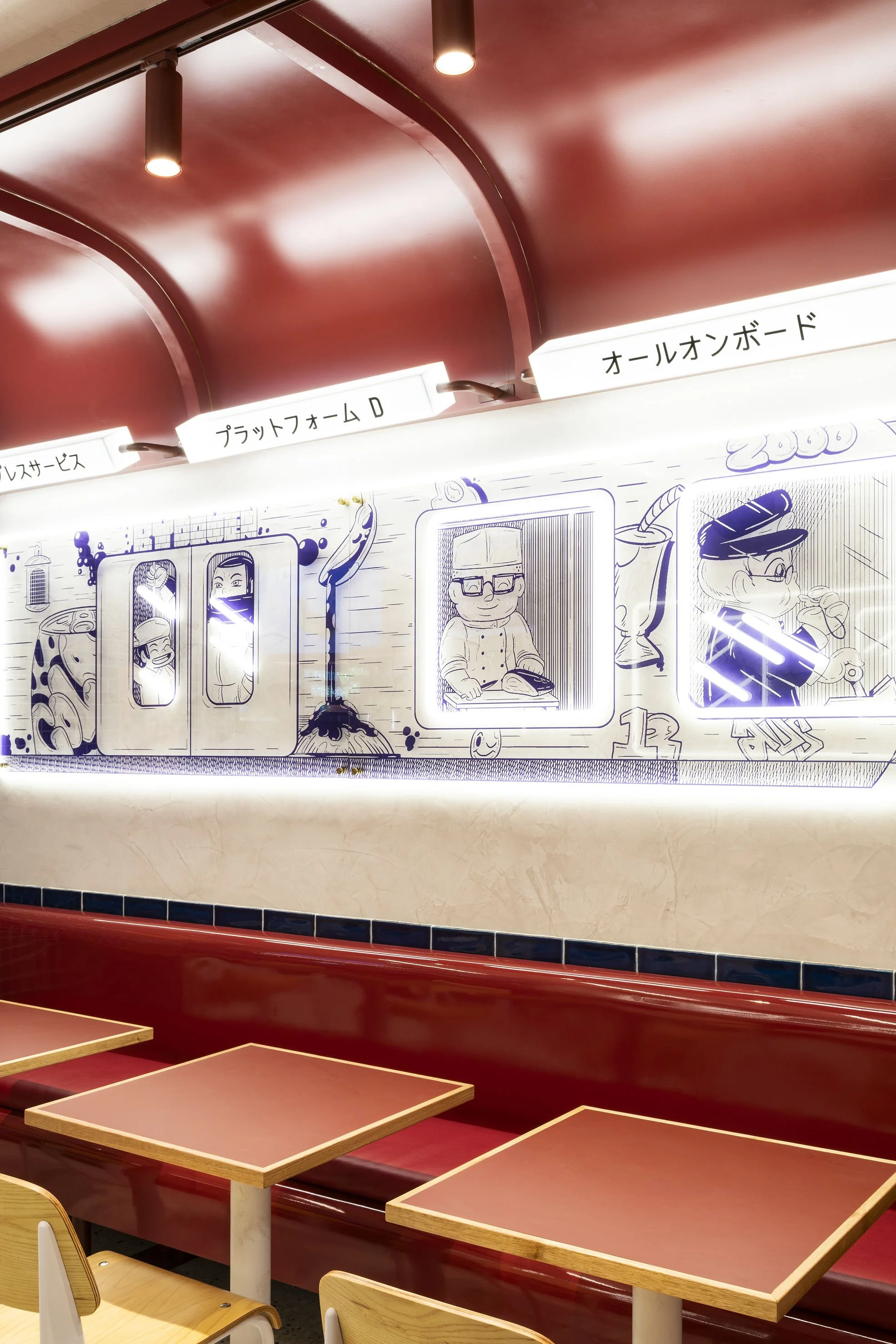
Trinity Insight: We manage trades as a coordinated system—aligning programme, sequencing and dependencies so each element supports the next.
This is particularly critical in high-demand environments like hospitality fitouts in high-traffic locations.
6. Protecting the Vision Through Value Engineering
Budget constraints are part of every project. The risk is reducing cost at the expense of design integrity.
Trinity Insight: We approach value engineering strategically—identifying alternatives that maintain the design outcome while improving cost efficiency. The intent stays intact, even when the method evolves.
7. Carrying Design Intent Beyond Handover
A fitout doesn’t succeed at completion—it succeeds in operation. If materials fail, layouts don’t function, or finishes degrade, the design intent is lost over time.
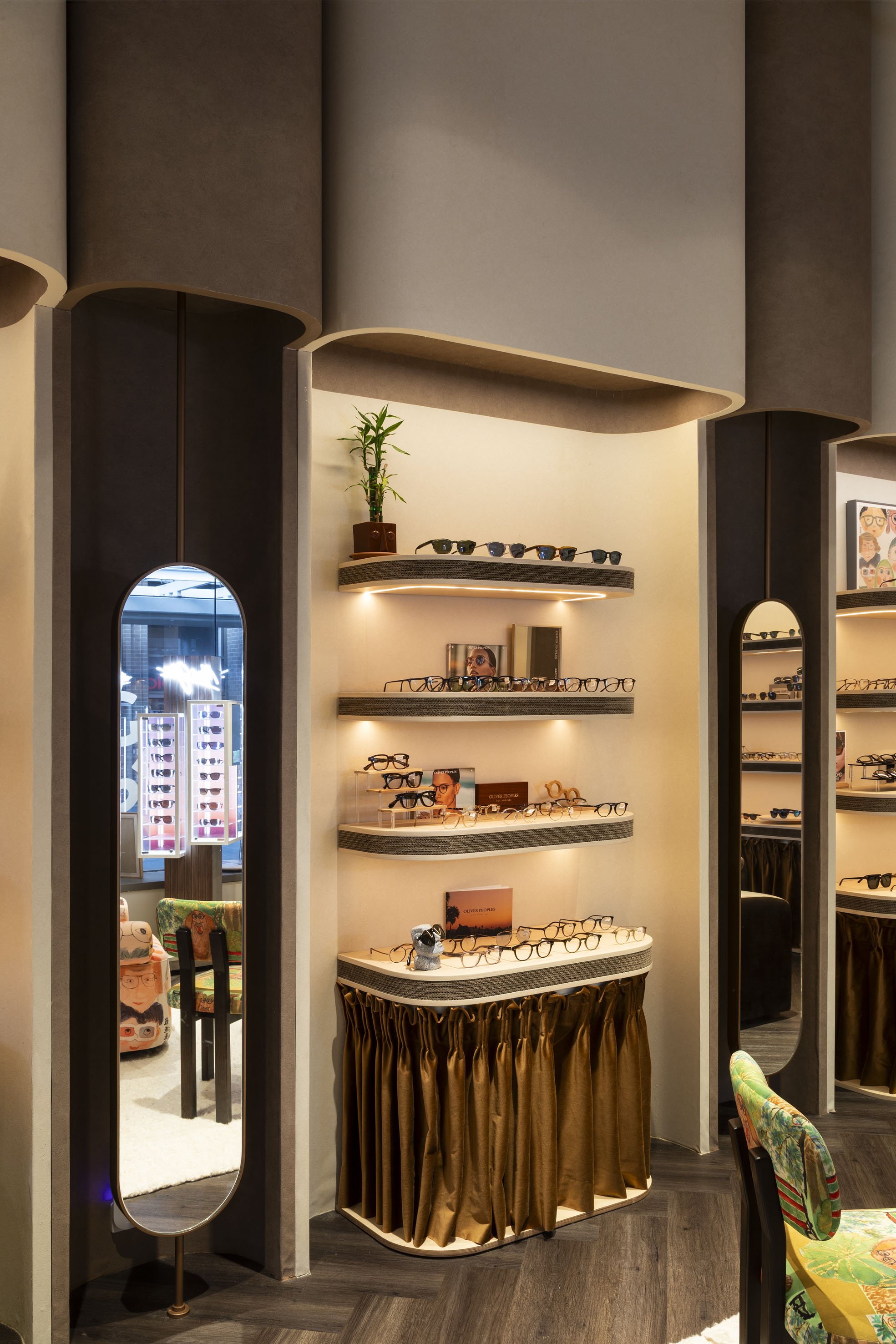
Trinity Insight: We build for longevity—ensuring materials, fixtures and layouts perform under real-world conditions.
Because ultimately, a successful fitout is measured after opening day, not just at handover.
Final Word
Design intent is only as strong as its execution. In premium commercial interiors, delivering that intent requires more than construction—it requires alignment, foresight, and control at every stage.
At Trinity Shopfitting, we act as the bridge between concept and completion—ensuring what’s designed is exactly what gets delivered.
Working on a project where execution matters as much as design?
Let’s bring it to life—exactly as intended.
