What Happens When a Fitout Goes Wrong, and How to Prevent It
Fitouts rarely fail in a single moment. They fail gradually, through missed details, unclear scope, and poor coordination that compound over time.
For premium retail and hospitality brands, the impact is immediate: delayed openings, budget overruns, compromised design, and operational inefficiencies that persist long after handover.
The reality is, most of these issues are avoidable. With the right planning, process and partner, risk can be controlled early.
Here’s where projects typically go wrong, and how to prevent it.
1. Programme Delays That Impact Opening

Delays are one of the most common, and costly, failures in fitouts. Once timelines slip, recovery becomes difficult.
What goes wrong:
Incomplete documentation delays approvals
Poor sequencing creates trade clashes
Late design decisions stall progress
Trinity Insight: We plan proactively, aligning approvals, procurement and trades from the outset to protect programme certainty. Understanding what can delay a fitout in NSW is the first step in avoiding these risks.
2. Budget Blowouts and Variations
Cost overruns are rarely unexpected. They’re usually the result of unresolved scope or late-stage changes.
What goes wrong:
Vague or incomplete pricing
Design decisions made during construction
Site conditions discovered too late
Trinity Insight: We control cost through detailed documentation and early decision-making, reducing the need for reactive changes. This is central to how we reduce variations and protect client budgets.
3. Loss of Design Intent During Build
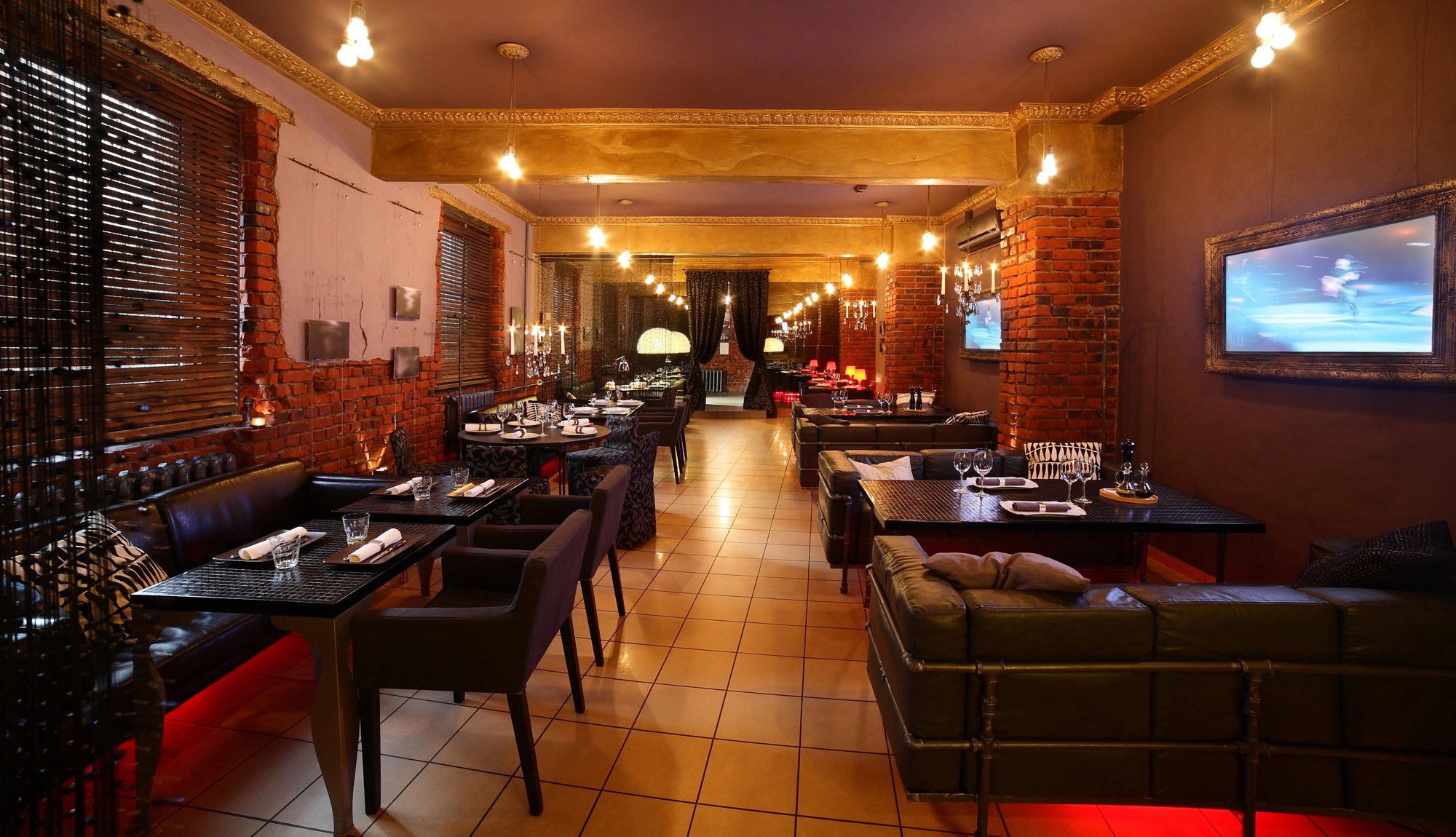
What’s approved on paper can be diluted on site, through substitutions, shortcuts or unresolved details.
What goes wrong:
Materials changed due to availability
Poor detailing leads to visible inconsistencies
Value engineering reduces design quality
Trinity Insight: We protect design intent through resolved documentation, material validation and controlled execution. This is where experience in design intent vs build reality is critical.
4. Operational Issues After Opening
Some failures only appear once the space is in use, when real-world conditions expose design or build gaps.
What goes wrong:
Inefficient layouts slow service
Insufficient storage disrupts operations
Materials fail under daily use
Trinity Insight: We design for performance, not just presentation, ensuring the space works under real operating conditions. Because ultimately, a successful fitout is defined after opening day.
5. Inconsistent Quality Across Locations
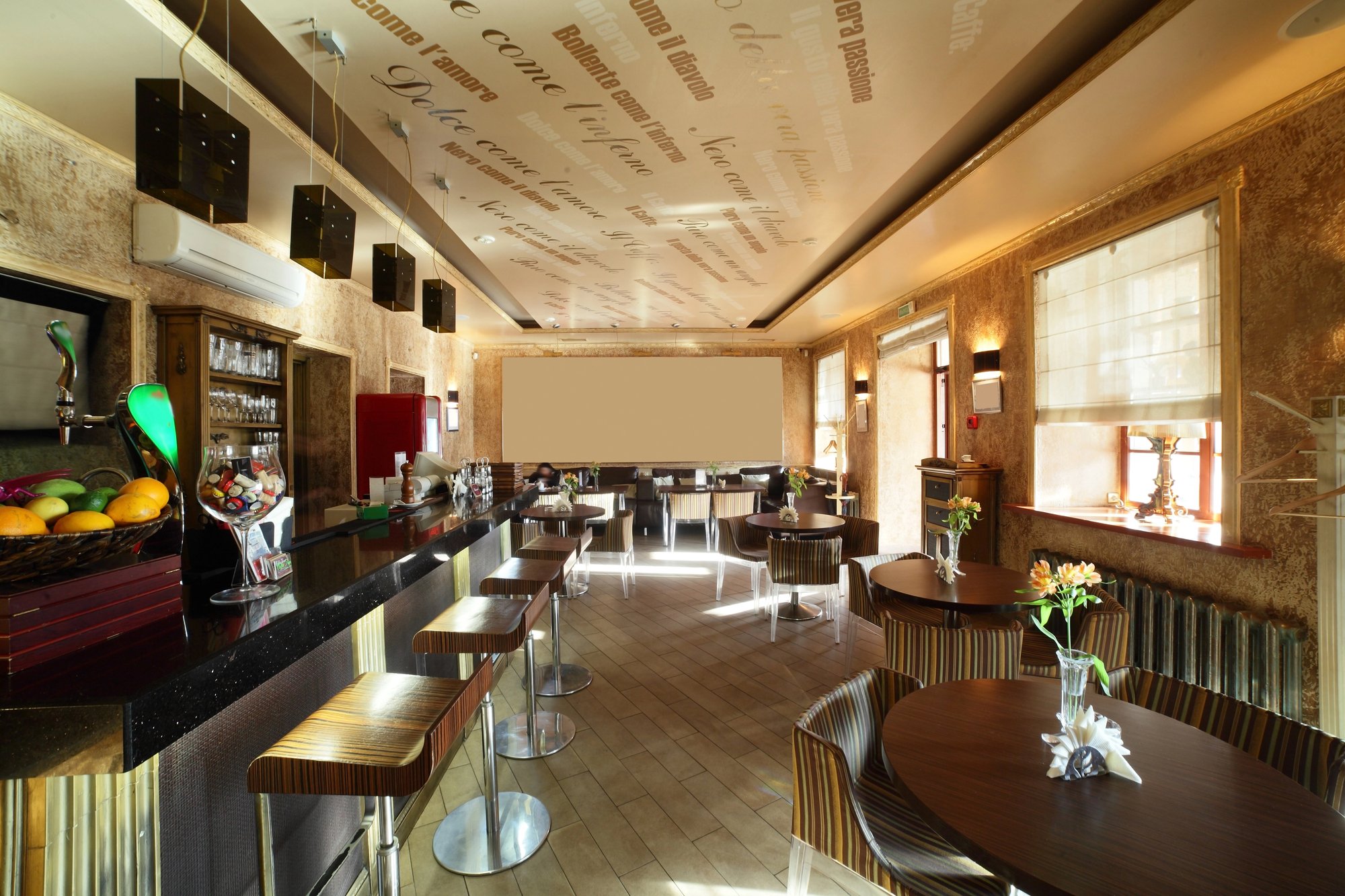
For brands scaling across multiple sites, inconsistency quickly erodes brand perception.
What goes wrong:
Different materials or suppliers across sites
Lack of documented standards
Inconsistent detailing and finishes
Trinity Insight: We develop clear fitout standards and deliver with repeatable systems, ensuring consistency across every location. This is especially important when planning flagship stores and rollouts.
6. Appointing the Wrong Partner
Many issues trace back to one decision, choosing a contractor without the right fitout experience.
What goes wrong:
Limited understanding of customer-facing environments
Poor coordination with designers and consultants
Gaps in compliance and approvals knowledge
Trinity Insight: Fitouts require specialist expertise, balancing design, delivery and operational performance. If you’re unsure, start with the difference between a builder and a shopfitter.
Final Word
Fitouts don’t fail because of one major issue. They fail through a series of small, preventable missteps. The key is control. Clear documentation, early coordination, and informed decision-making eliminate risk before it reaches the site.
At Trinity Shopfitting, we focus on certainty, delivering projects that stay on programme, on budget, and aligned with design intent.
Planning a fitout and want to avoid costly mistakes? Let’s get it right from the start.
