
Quiet Impact: Why Minimalism Is the New Standard in Commercial Fitouts
Minimalism isn’t about blank spaces or cold aesthetics. It’s about clarity, focus, and precision. In modern retail and hospitality environments, minimalist design has emerged as a defining language for premium brands that value intentionality over excess.
At Trinity Shopfitting, we’ve seen how minimalism, when executed well, translates to commercial performance. Clean lines, open zones, and refined materials don’t just look beautiful; they drive customer behaviour, reinforce brand identity, and support agile operations.
Here’s why minimalism is more than a trend, and how to harness its power in your next commercial fitout.
1. Simplicity Creates Clarity and Confidence
Minimalist spaces eliminate distraction and centre attention where it belongs, on the brand, the product, and the experience.

Trinity Tip: Use neutral backdrops and restrained material palettes to elevate hero displays. Let negative space breathe between focal points, drawing customers in with visual calm rather than noise. When you design with intention, simplicity becomes your strongest statement.
2. Less Clutter, More Brand Authority
In a minimalist fitout, every detail matters. Fewer distractions mean stronger storytelling and deeper engagement. For high-end retailers and hospitality venues, this signals confidence and quality.
Example: A luxury footwear brand reduced product density by 40%, resulting in higher average transaction values—proof that refinement sells.
Trinity Tip: Curate your displays with symmetry and repetition. Showcase fewer products, but present them better. This communicates exclusivity and trust in your offering.
3. Flexibility for Campaigns, Without Rebuilding
Minimalism supports change. With fewer built-in features and a clean foundation, minimalist stores are easier to reconfigure for new collections, pop-ups, or activations.

Trinity Tip: Incorporate modular joinery, concealed mounting systems, and lightweight architectural elements. Trinity’s custom fabrication allows you to refresh often without compromising core design integrity.
4. Aligns with Sustainable, Future-Ready Thinking
Minimalist design often requires fewer materials, simpler construction, and longer-lasting finishes, all aligning with sustainability goals and reducing long-term maintenance.
Trinity Tip: Opt for high-quality, timeless finishes like natural timber, brushed metal, terrazzo, or low-VOC coatings. These stand the test of time and contribute to a more environmentally responsible fitout.
5. Improves Flow and Customer Experience
Cluttered layouts block movement and create stress. Minimalist interiors, by contrast, encourage smooth circulation and calm exploration—ideal for guiding customers through curated experiences.
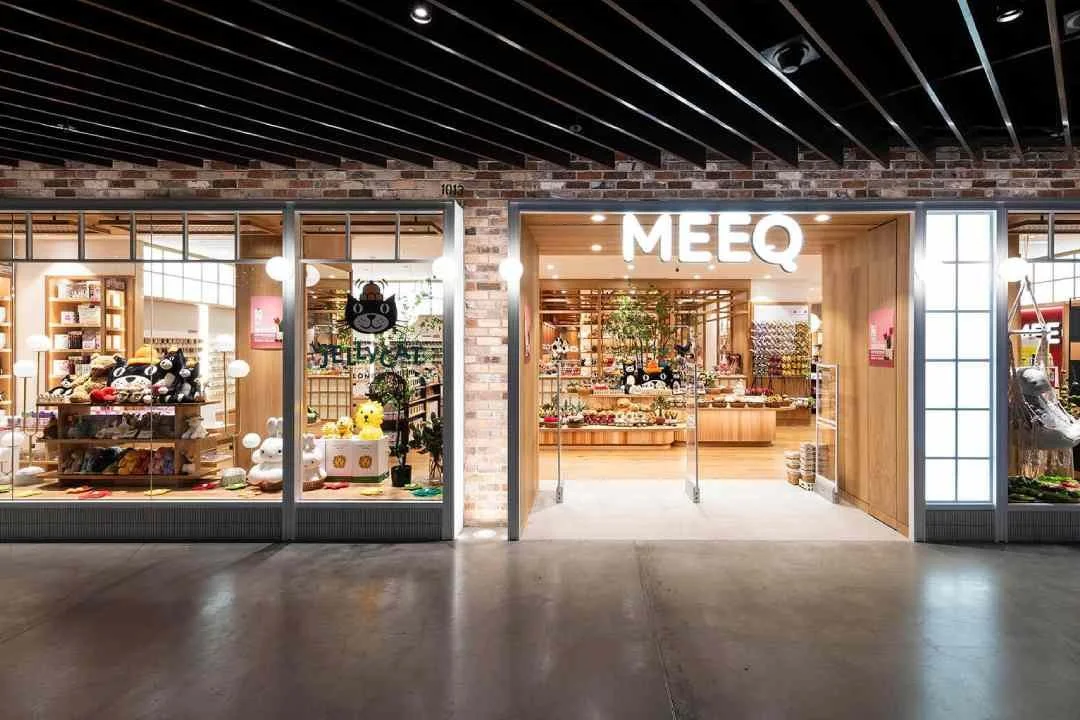
Trinity Tip: Use layout loops, clear visual paths, and lighting contrasts to define zones. Trinity’s spatial planning expertise ensures that every square metre works hard without feeling crowded.
6. Makes Storytelling Stronger
With less visual competition, branded elements like signage, digital content, or tactile materials have room to shine. The result? More memorable and immersive experiences.
Trinity Tip: Use embedded screens, focused messaging, and considered textures at key touchpoints (e.g., fitting rooms, POS counters, consultation spaces). Every detail should align with your brand tone; never an afterthought.
Final Word
Minimalism is more than a look—it’s a mindset. For premium retailers and hospitality brands, it signals confidence, refinement, and intentionality. When executed by a team that understands both form and function, minimalist fitouts elevate everything: the product, the space, and the perception.

At Trinity Shopfitting, we deliver minimalist commercial environments that don’t just look good—they perform. Through custom joinery, architectural detail, and thoughtful layouts, we turn simplicity into strategy.
Ready to scale back—and stand out?
Let’s design a space that’s calm, confident, and commercially smart.
