
Bespoke vs Standard Fixtures: What Premium Brands Choose (and Why)
In commercial fitouts, fixtures aren’t just functional—they define how a space performs. They influence customer interaction, shape brand perception, and determine how efficiently your store operates day to day.
One of the key decisions brands face is whether to invest in bespoke fixtures or use standard, off-the-shelf systems. Both have a role—but premium brands approach this choice with intent, balancing design, speed, cost and long-term value.
Here’s how that decision is made in practice.
1. Bespoke Fixtures Deliver Brand Identity
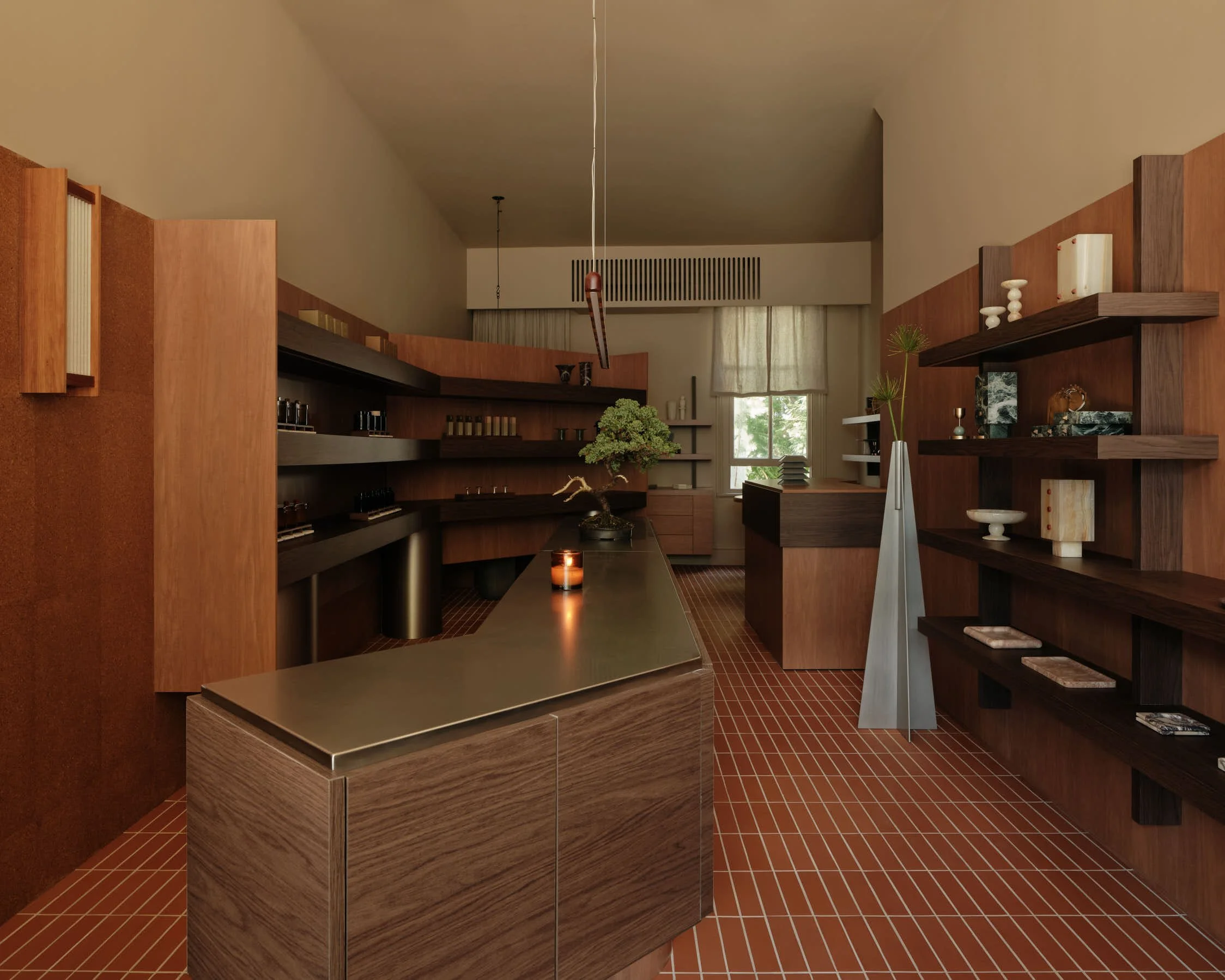
Bespoke fixtures are designed specifically for your brand—your product, your layout, your customer journey. They allow full control over proportion, materiality and detail.
Trinity Insight: Custom joinery ensures the space feels considered and cohesive—rather than assembled. Every element supports the brand, not just the function.
This level of control is critical when translating concept into reality, as outlined in design intent vs build reality.
2. Standard Fixtures Enable Speed and Efficiency
Standard systems offer clear advantages—faster procurement, simpler installation, and lower upfront cost.
Trinity Insight: We integrate standard fixtures where speed and efficiency matter most—typically in back-of-house or non-customer-facing areas—without compromising the overall experience.
This approach supports delivery in fast turnaround fitouts, where programme certainty is critical.
3. Cost vs Value: Making the Right Investment
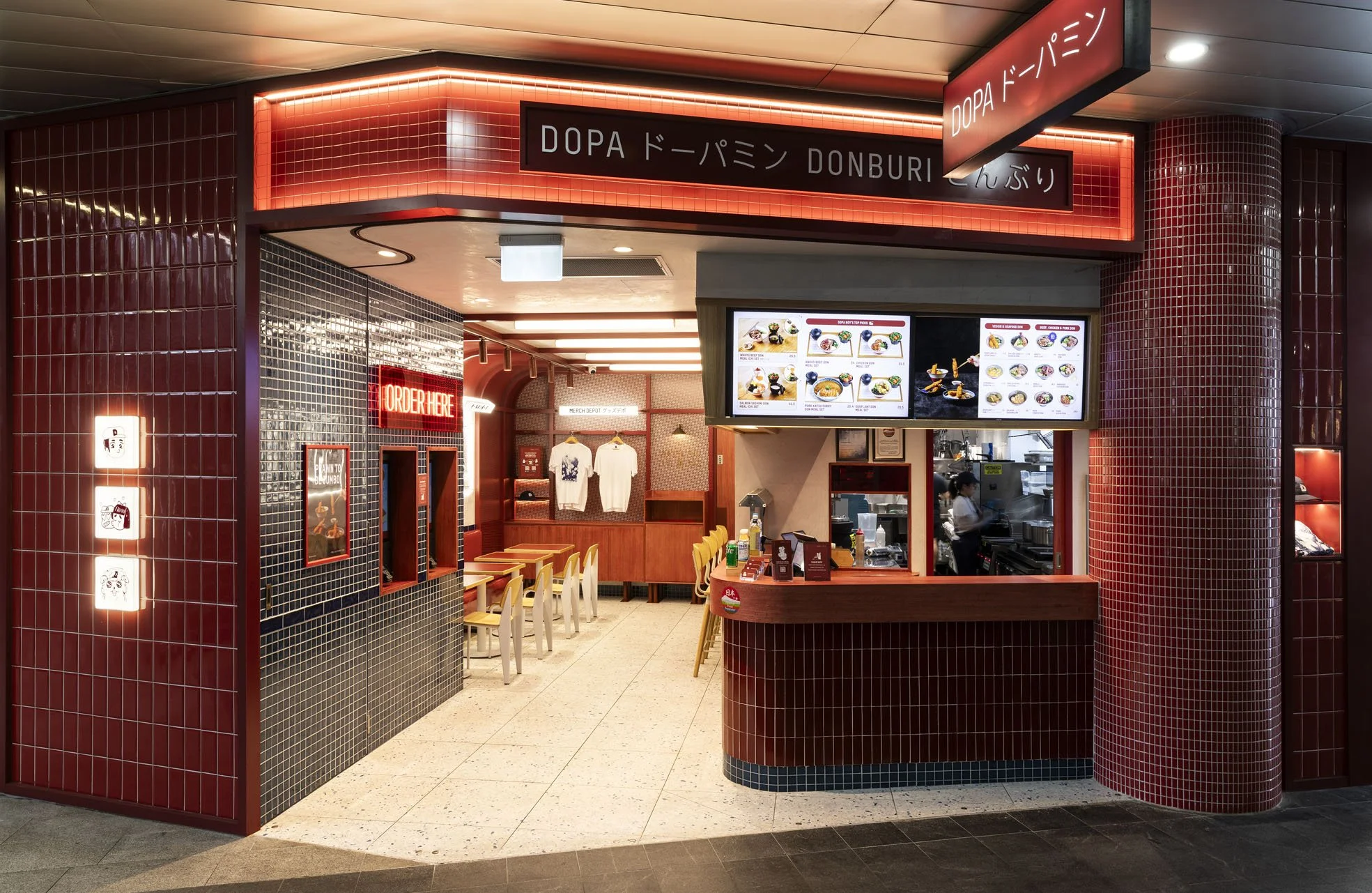
Standard fixtures reduce upfront cost—but may not deliver the same longevity or performance. Bespoke solutions require more investment, but often provide better long-term value.
Trinity Insight: We guide clients to invest selectively—focusing on high-impact areas while optimising spend elsewhere.
Getting this balance right early helps avoid downstream changes, as seen in how shopfitters reduce variations.
4. Performance Matters More Than Convenience
Standard fixtures are designed for general use—not your specific product or operational flow. This can limit efficiency and create compromises in layout.
Trinity Insight: Bespoke fixtures are designed around how your business actually operates—improving ergonomics, storage and customer interaction.
This is especially important in high-demand environments like hospitality fitouts in high-traffic locations.
5. Consistency Across Locations
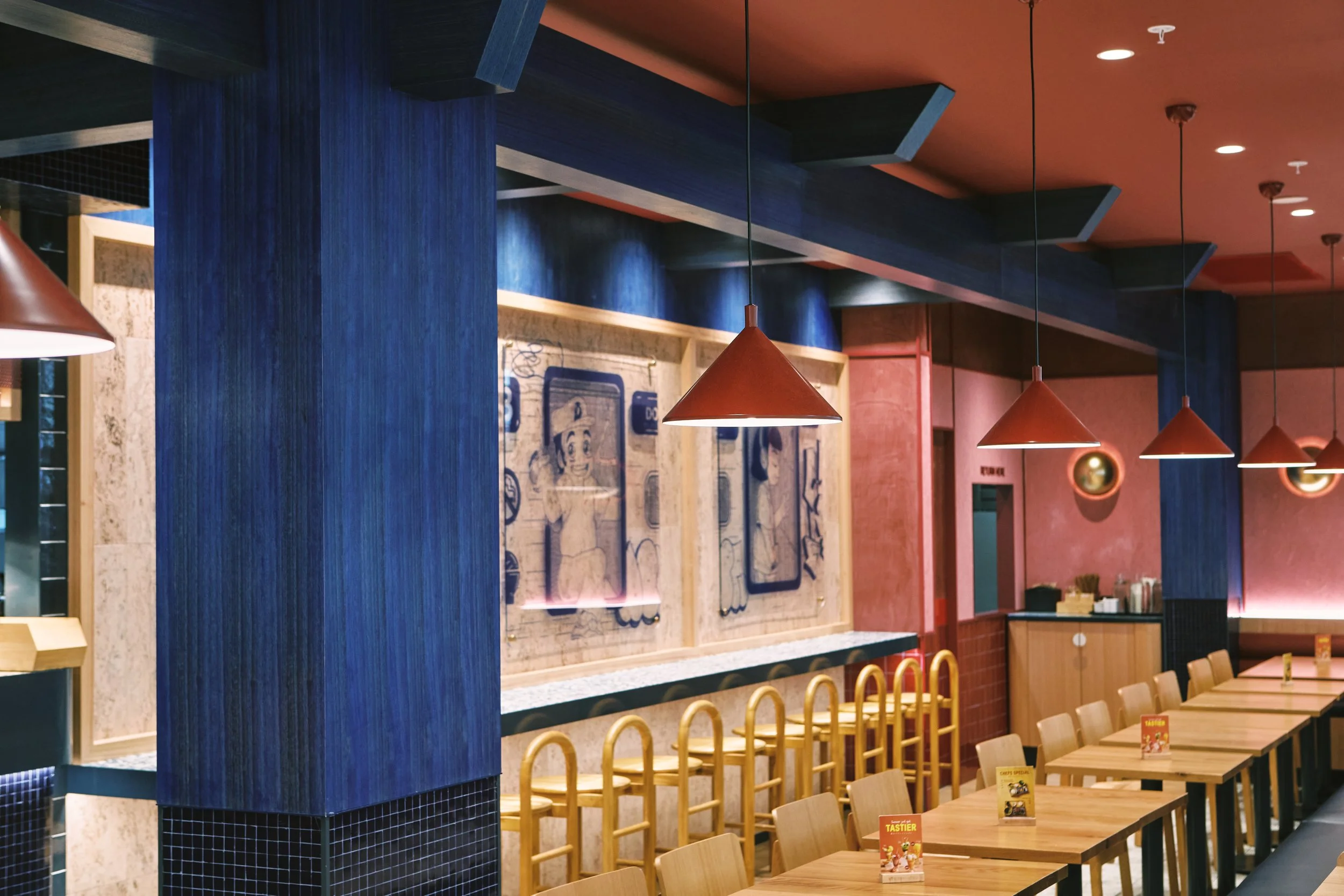
For brands scaling across multiple sites, consistency is essential. Standard fixtures can help—but often lack the refinement required for premium environments.
Trinity Insight: We develop bespoke systems that are repeatable—allowing for consistent rollout without losing design integrity.
6. Flexibility for Future Change
Retail environments evolve. Fixtures need to adapt to new products, campaigns and layouts without requiring full replacement.
Trinity Insight: We design hybrid systems—bespoke frameworks with modular components—so spaces can evolve without major rework.
This adaptability is a key factor in what defines a successful fitout after opening.
7. The Reality: Premium Brands Choose Both
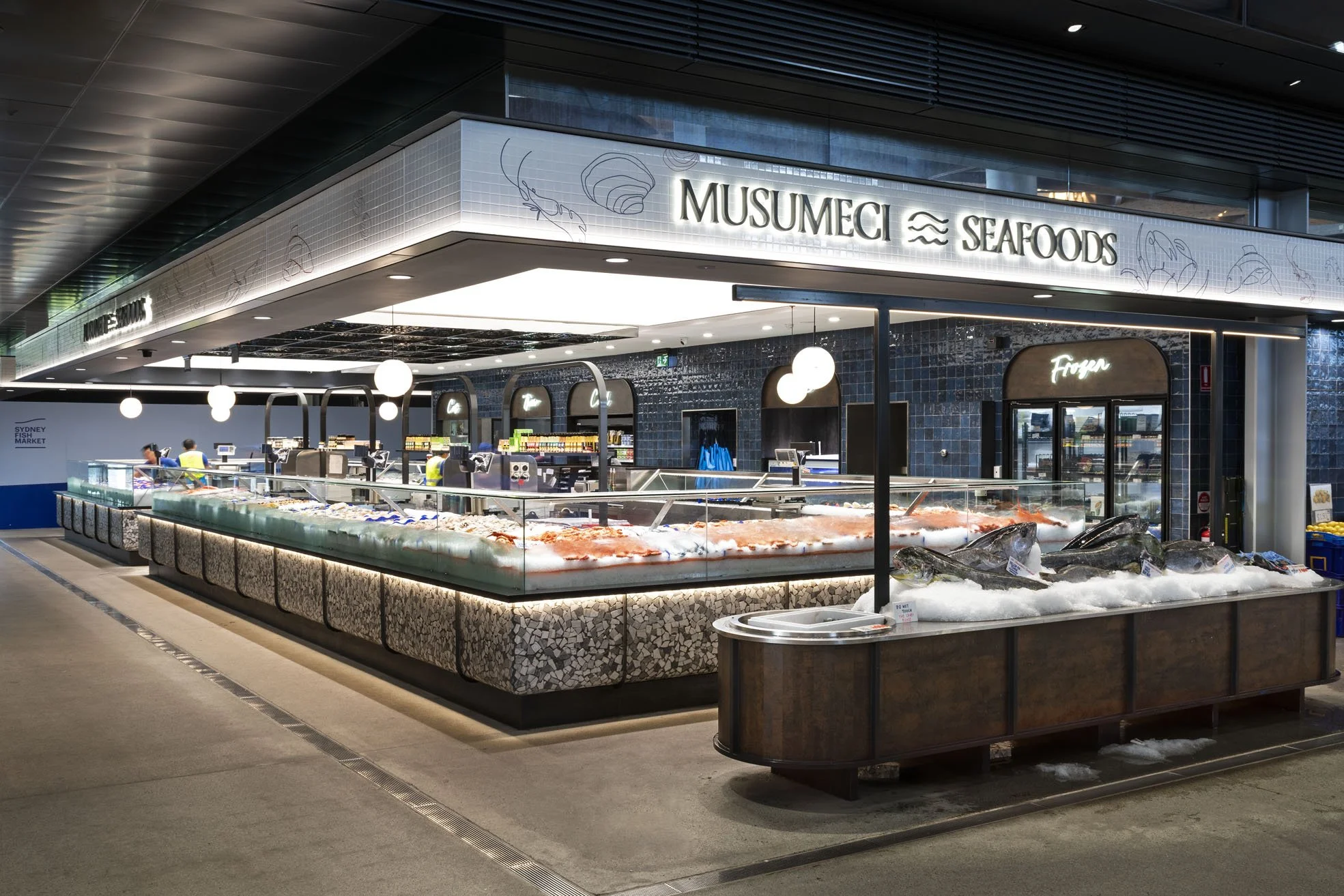
The strongest fitouts don’t rely on one approach—they combine both.
Bespoke for brand-defining elements
Standard for efficiency and support areas
Modular systems for flexibility and rollout
Trinity Insight: It’s not about choosing one—it’s about knowing where each delivers value. That’s where experience makes the difference.
Final Word
Fixtures aren’t just fittings—they’re part of how your brand is experienced.
The right balance between bespoke and standard solutions improves performance, supports operations, and protects long-term value.
At Trinity Shopfitting, we help brands make that balance work—delivering fixtures that are considered, practical, and built to perform.
Planning your next fitout? Let’s find the right balance for your space.
