
How Shopfitters Reduce Variations (and Protect Client Budgets)
In commercial fitouts, variations are where projects lose control. Unplanned changes to scope, materials or construction don’t just affect timelines—they create immediate cost pressure and disrupt programme certainty.
For premium retail and hospitality brands, cost certainty isn’t optional. The difference between a controlled project and an expensive one comes down to how well variations are anticipated and eliminated early.
Here’s how experienced shopfitters reduce variation risk and protect your budget from day one.
1. Resolving Design Before Construction Begins

Variations often start with incomplete documentation. When details are missing, decisions are pushed to site, where changes are more expensive.
Trinity Insight: We fully resolve drawings, finishes and specifications before construction begins. Every junction, material and fixing is defined early—so nothing is left to assumption.
This level of detail is what separates a specialist, as seen in the difference between a builder and a shopfitter.
2. Identifying Site Conditions Early
Unforeseen site conditions—services conflicts, structural constraints, base build inconsistencies—are a major source of cost escalation.
Trinity Insight: We conduct detailed site inspections and services reviews upfront. Risks are identified early and designed around—rather than discovered mid-build.
This proactive approach avoids many issues outlined in fitout compliance in NSW.
3. Providing Accurate, Itemised Costing

Lump-sum pricing often hides scope gaps. These gaps surface later as variations.
Trinity Insight: We provide clear, itemised cost breakdowns across joinery, materials, services and labour—so clients understand exactly what’s included, and where adjustments can be made early.
4. Selecting Materials With Programme in Mind
Material substitutions during construction are a common source of variation—often driven by availability or lead time issues.
Trinity Insight: We specify materials based on performance, availability and programme alignment—not just appearance.
This is why material selection matters more than trends in fitout delivery.
5. Coordinating Trades as a Single System
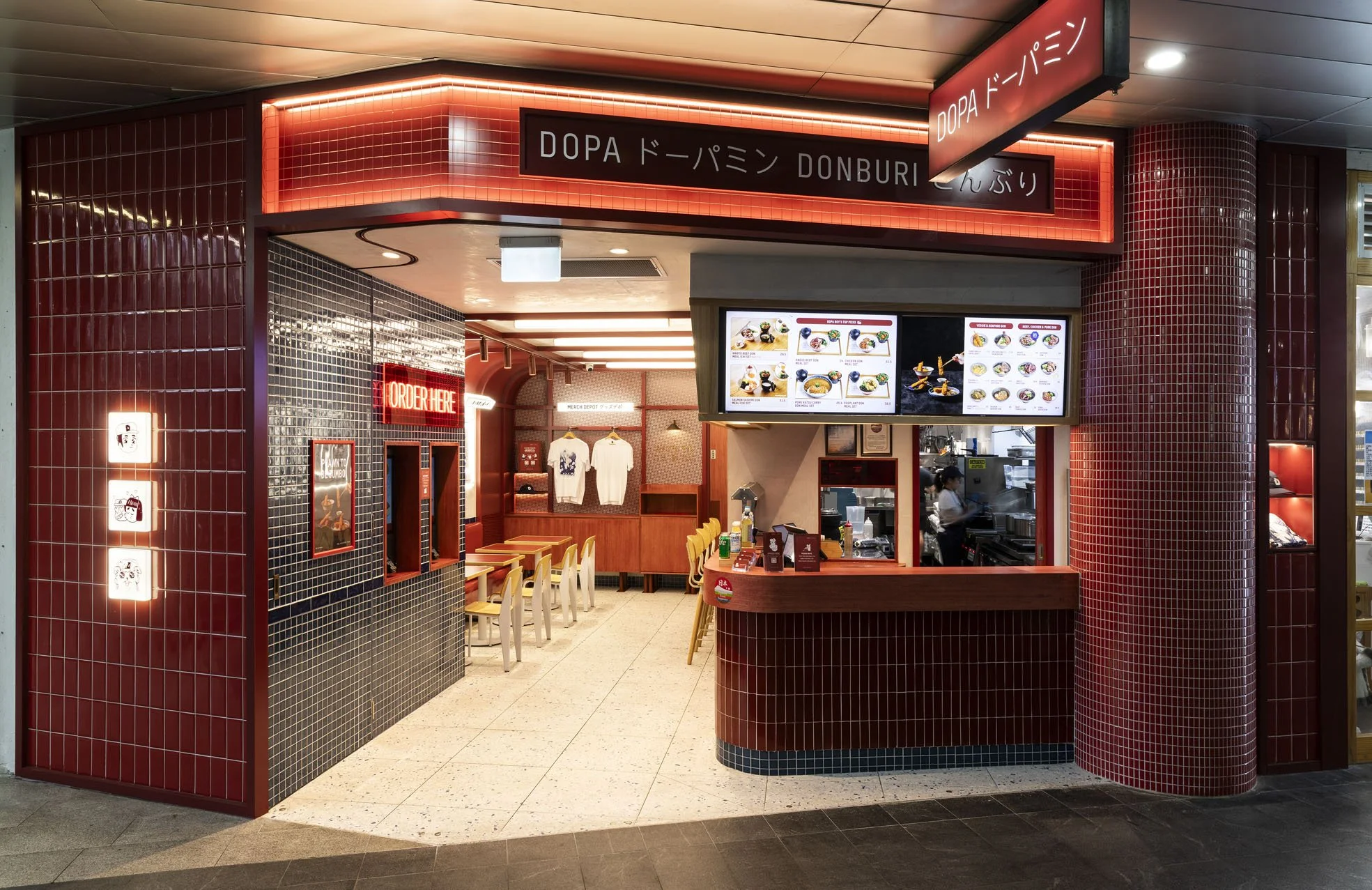
Poor sequencing and trade clashes lead to rework—one of the most expensive forms of variation.
Trinity Insight: We manage trades as a coordinated programme, aligning sequencing, access and dependencies so each stage is completed correctly the first time.
6. Locking in Decisions Early
Late design changes are one of the biggest drivers of variation. Even minor adjustments can impact multiple trades and materials.
Trinity Insight: We work closely with clients during pre-construction to finalise key decisions early—while allowing controlled flexibility where needed.
7. Building for Long-Term Performance

Short-term cost savings often lead to long-term issues—repairs, replacements, or operational inefficiencies that effectively become delayed costs.
Trinity Insight: We prioritise durable materials, robust joinery and practical layouts that reduce ongoing maintenance and operational friction.
Because ultimately, a successful fitout is measured after opening day—not just at handover.
Final Word
Variations aren’t always avoidable—but they should never be unexpected.
With the right planning, documentation and coordination, most risks can be eliminated before they impact your project.
At Trinity Shopfitting, we focus on certainty—delivering fitouts that stay aligned with your budget, your timeline, and your expectations.
Planning a fitout and want to avoid costly surprises?
Let’s get it right from the start.
