
Fitout and refurbishment are sometimes used interchangeably, but they generally describe different approaches to commercial construction.
A fitout typically prepares or substantially transforms an internal space for its intended use. A refurbishment generally retains more of the existing fitout while upgrading, replacing or modifying selected elements.
The exact scope can vary from project to project, and there can be overlap between the two. For retail, hospitality and other commercial businesses, however, understanding the distinction can help establish realistic expectations around scope, cost, programme and disruption.
Here's what typically separates a commercial fitout from a refurbishment—and what can influence the right construction approach for your project.
1. A Fitout Creates or Substantially Transforms an Interior

A commercial fitout involves preparing an internal space for its intended use. Depending on the tenancy and contracted scope, works may include partitions, ceilings, flooring, lighting, building services, custom joinery, fixtures and finishes.
This could involve fitting out a new tenancy or substantially transforming an existing commercial space to accommodate different operational requirements.
Trinity Insight: A full fitout allows the construction works, services, joinery and finishes to be coordinated around the requirements documented for the new space, rather than being heavily constrained by the existing fitout.
For the shopfitter, this means bringing multiple construction elements together to deliver the documented design intent as a complete built environment.
2. A Refurbishment Works With More of What's Already There
A refurbishment generally retains more of the existing space while upgrading selected elements that have become worn, outdated or no longer suitable.
Depending on the project, works might include replacing finishes, modifying existing joinery, upgrading lighting, refreshing customer-facing areas or carrying out targeted construction alterations.
Trinity Insight: Refurbishment can be an effective approach when existing elements remain suitable for continued use. The key is understanding what can practically be retained, what needs modification and what should be replaced before construction begins.
Retaining suitable existing elements can reduce unnecessary work, but every project needs to be assessed individually.
3. Existing Conditions Can Determine the Scope
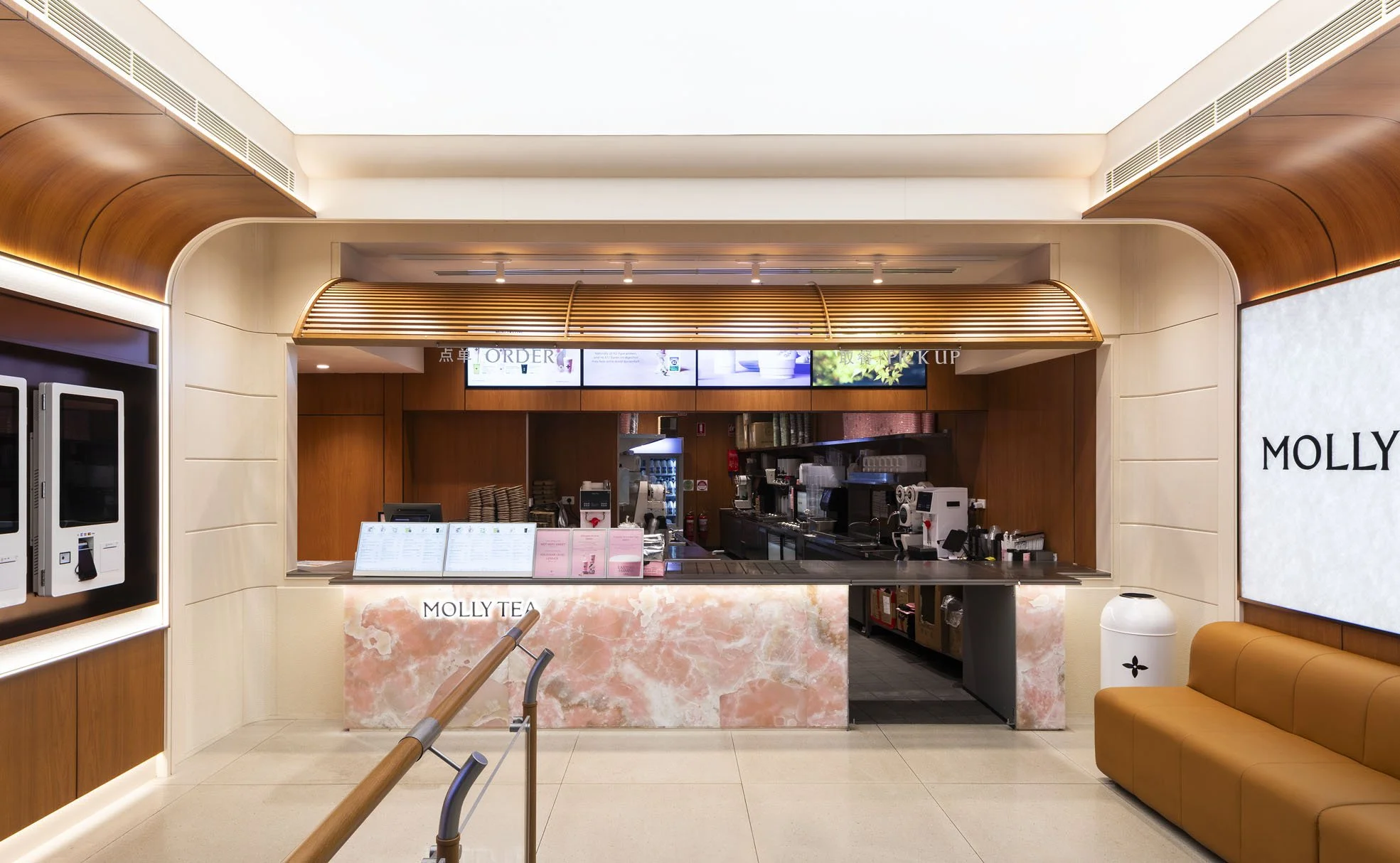
The condition of an existing tenancy plays a significant role in determining whether refurbishment is practical. Existing services, previous construction works, compliance issues, ageing infrastructure or site constraints may only become fully understood once the available documentation and physical conditions are reviewed.
Trinity Insight: Site inspections and existing project information help identify what can potentially be retained, modified or replaced.
These findings can then inform the construction scope in coordination with the client, designer and relevant project consultants, reducing uncertainty before works progress.
4. A Full Fitout Can Accommodate Greater Operational Change
When the way a business operates has changed significantly, updating finishes alone may not be enough. New equipment, different service requirements, revised customer circulation or changes to back-of-house operations can require more extensive construction and services works.
Trinity Insight: Where the documented project requirements involve significant changes to layout, services or operational areas, a more comprehensive fitout may provide the construction flexibility needed to deliver them properly.
The objective is to ensure the finished works support the intended use of the space—not simply refresh its appearance.
5. Refurbishment May Reduce Disruption—But Not Always
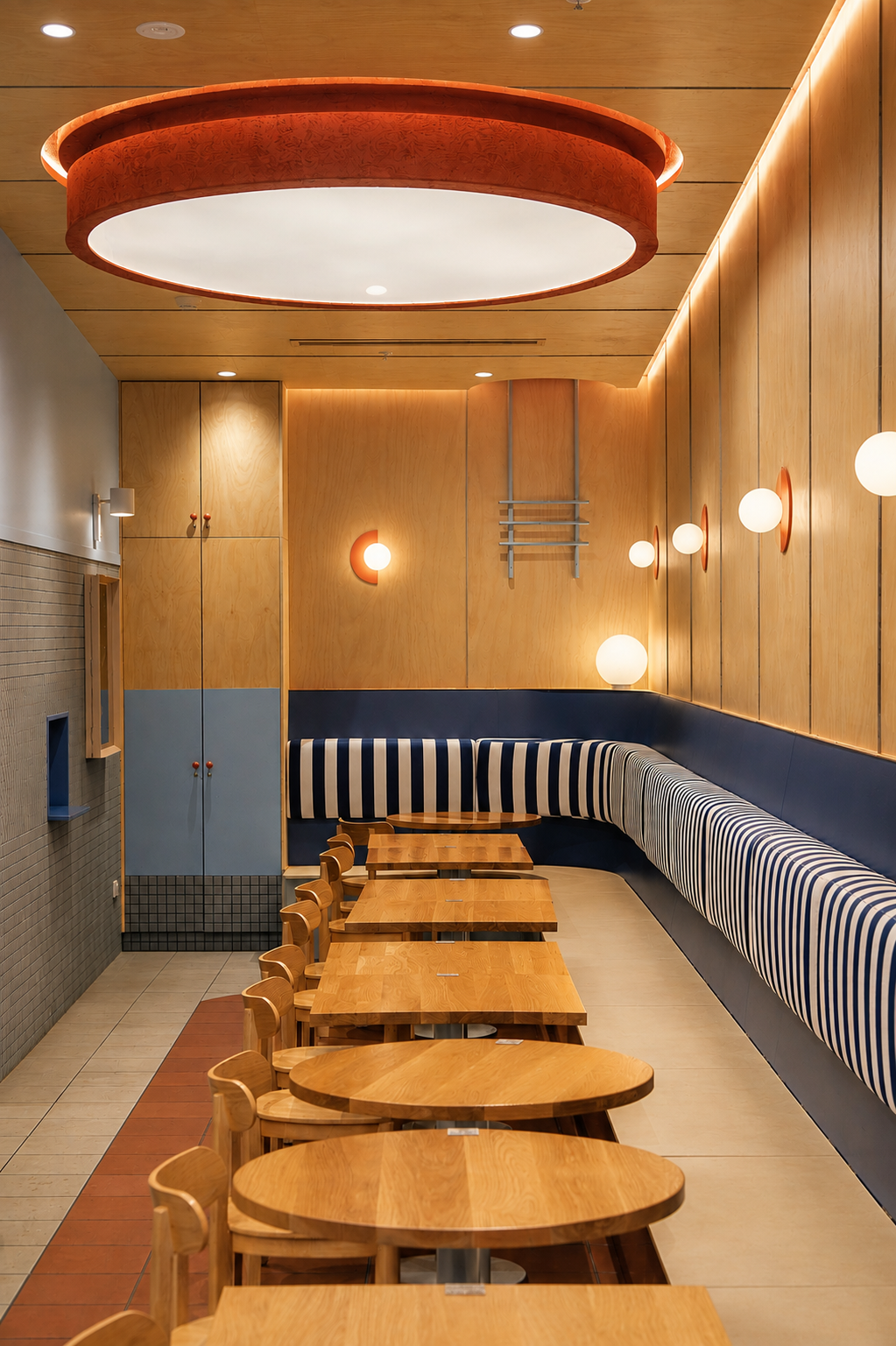
For an operating business, closing completely for construction can have a significant commercial impact. Depending on the scope and site conditions, refurbishment works may sometimes be staged, undertaken outside trading hours or isolated to particular areas while other parts of the business remain operational.
However, refurbishment doesn't automatically mean less disruption.
Trinity Insight: Where live-site works are feasible, we coordinate construction sequencing around trading requirements, site access and safety considerations to help minimise disruption.
Whether staged works are practical depends on the construction scope, site conditions and relevant operational and safety requirements.
6. Cost Depends on Scope and Complexity
A refurbishment may involve fewer new elements, but that doesn't automatically make it simple or inexpensive. Integrating new construction with existing joinery, finishes and building services can introduce additional coordination and site complexity. Existing conditions may also create works that weren't apparent at the beginning of the project.
A full fitout can involve a larger initial scope but may provide a more comprehensive construction solution where significant change is required.
Trinity Insight: Accurate comparison starts with clearly defining the works required. Understanding what will be retained, removed, modified and newly constructed provides a stronger basis for assessing project cost than simply comparing refurbishment and fitout as two categories.
A detailed commercial fitout quotation should also make inclusions, exclusions and allowances clear before construction begins.
7. Both Require Proper Planning and Coordination
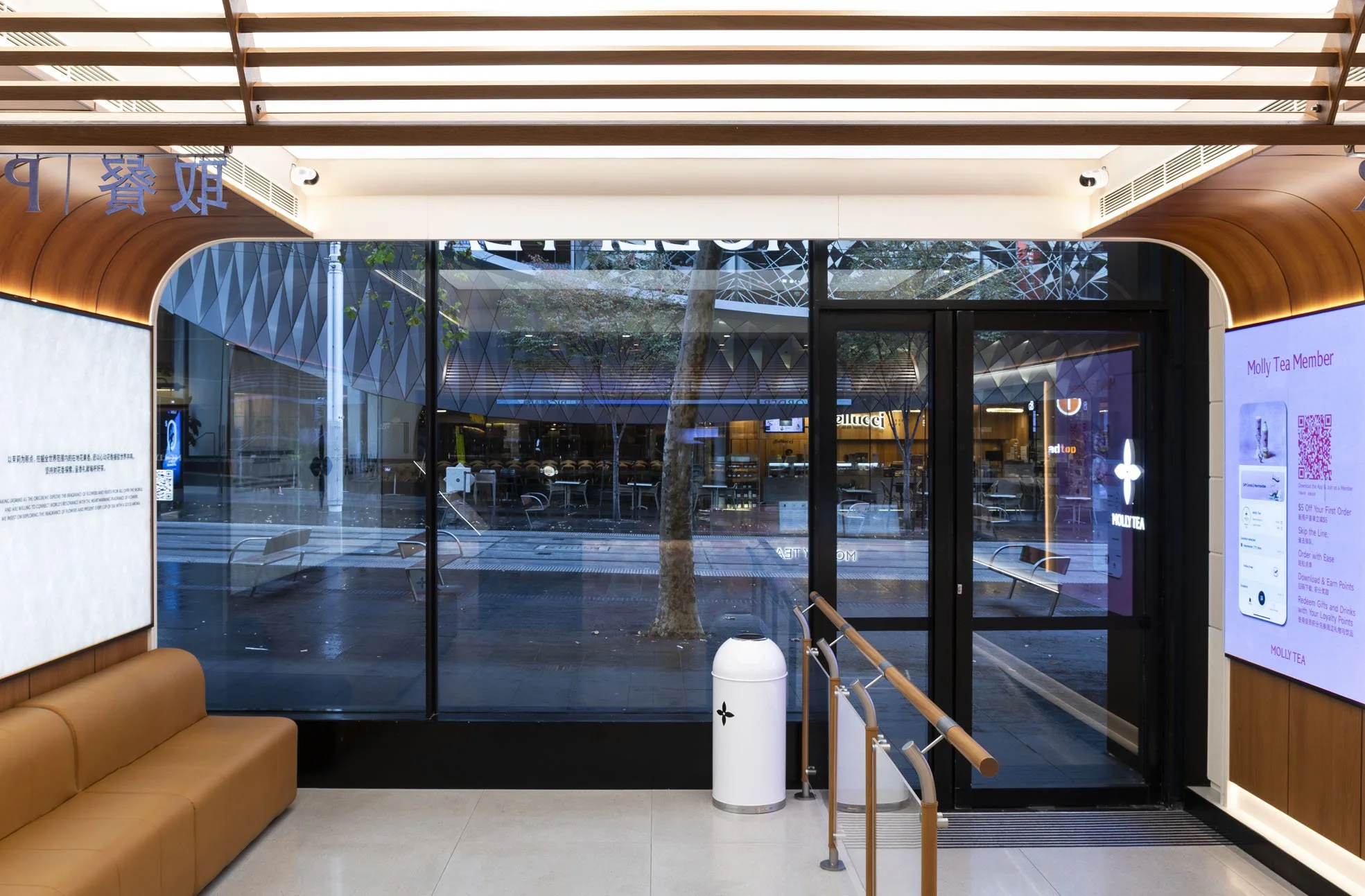
A refurbishment doesn't automatically mean fewer approvals or less coordination. Changes involving building services, accessibility, fire safety, structural elements or the use of a tenancy may require input or approval from relevant consultants, certifiers, landlords, centre management or authorities.
The requirements will depend on the individual project.
Trinity Insight: Whether we're delivering a targeted refurbishment or a more comprehensive fitout, we coordinate our construction works against the relevant project documentation, approvals and compliance requirements.
Identifying responsibilities early helps reduce the risk of unresolved requirements affecting the construction programme later.
Final Word
The difference between a fitout and a refurbishment generally comes down to the extent of new construction and how much of the existing space can practically be retained.
A refurbishment may be appropriate when the existing fitout remains fundamentally suitable and targeted upgrades can achieve the required outcome. A more comprehensive fitout may be necessary when significant changes are required to the layout, services, joinery or overall construction scope.
Neither approach is automatically better, faster or less expensive. The right solution depends on the existing tenancy and what the completed space needs to achieve.
At Trinity Shopfitting, we work with clients, designers and consultants to understand existing site conditions, establish the required construction scope and deliver commercial fitout and refurbishment works with a focus on coordination, workmanship and reliable execution.
Planning an upgrade to an existing commercial space?
Let's discuss the scope and determine the right construction approach for your project.
