
What Is Included in a Commercial Fitout Quote?
A commercial fitout quote should provide more than a final figure. For retail, hospitality and other commercial projects, a well-defined quotation helps establish the scope of works, inclusions, exclusions and allowances so clients can better understand what has been priced before construction begins.
Not every shopfitter structures quotations in the same way, and the lowest initial figure doesn't necessarily represent the lowest final project cost. Differences in scope, materials, services and exclusions can make two seemingly similar quotations very different once examined in detail.
Here's what to look for when reviewing a commercial fitout quote—and the questions worth asking before appointing a shopfitter.
1. Preliminaries and Project Delivery
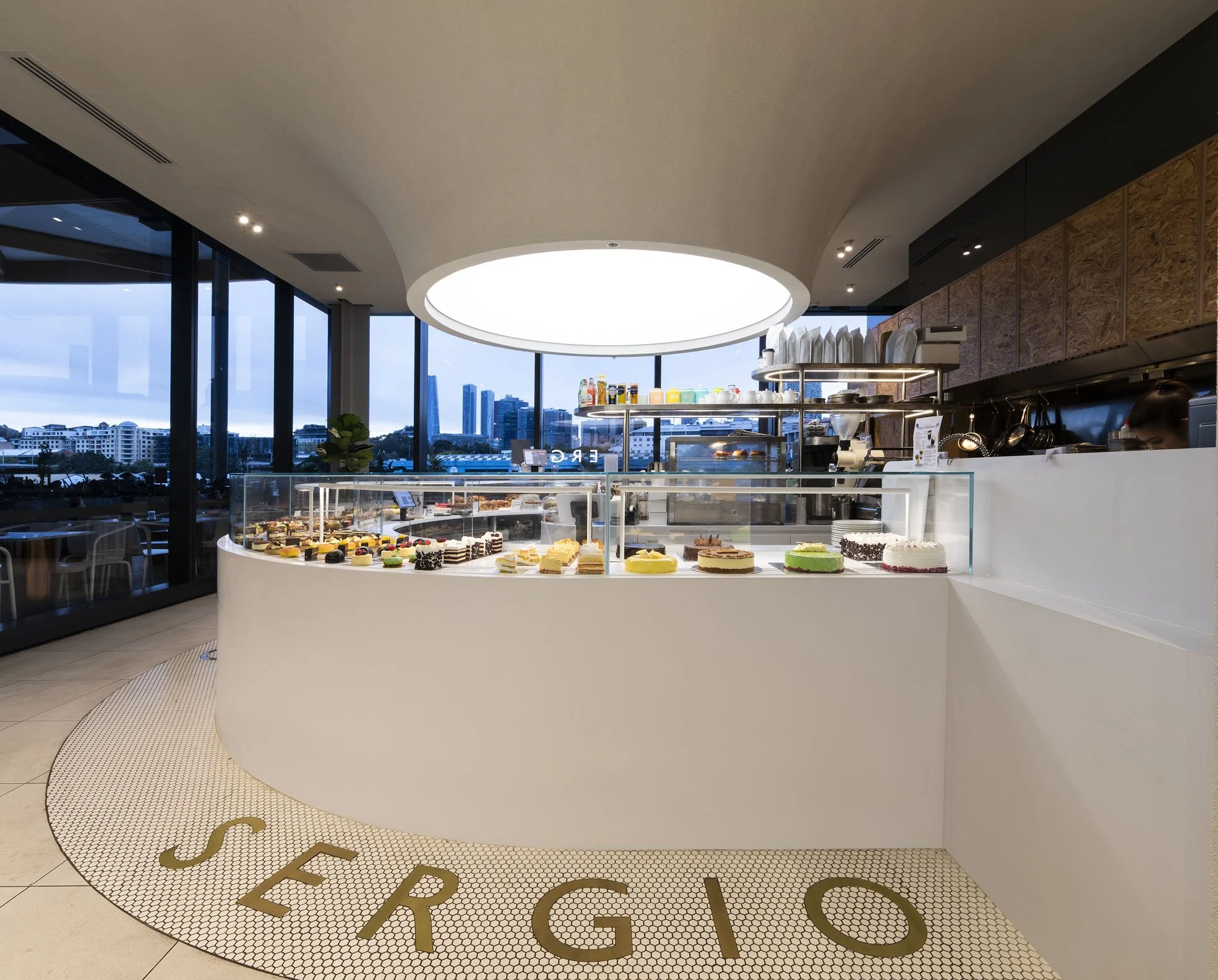
There are costs associated with establishing, managing and delivering a fitout beyond the physical construction itself. Depending on the project, these may include site establishment, project supervision, safety requirements, temporary protection, access arrangements, deliveries and other project-specific preliminaries.
Trinity Insight: A clearly defined quotation should make the project's preliminaries and delivery requirements understandable within the overall scope. This gives clients greater visibility over what is required to establish and manage the works—not simply the materials being installed.
2. Demolition and Site Preparation
When working within an existing tenancy, the scope may include demolition, strip-out, removal of existing fixtures and preparation for the new works. The extent of these works depends heavily on the existing site conditions and what is being retained.
Trinity Insight: Site inspections and available documentation help establish the condition of an existing tenancy before pricing is finalised. Where concealed or undocumented conditions can't reasonably be confirmed beforehand, these should be considered as potential project risks.
Identifying these risks early can help reduce unexpected variations once construction begins.
3. Joinery, Fixtures and Finishes

Custom joinery can represent a significant component of premium retail and hospitality fitouts. Depending on the scope, a quotation may cover counters, shelving, display units, cabinetry and other fabricated elements alongside flooring, ceilings, wall finishes and specialist details.
Trinity Insight: Accurate pricing relies on clear documentation of materials, finishes, dimensions and construction details. The more information available at quotation stage, the more accurately the required workmanship and fabrication can be assessed.
The balance between bespoke fabrication and standard fixtures can also influence both project cost and programme.
4. Electrical, Hydraulic and Mechanical Services
Building services are an important part of many commercial fitouts and can represent a substantial component of the overall project cost. Depending on the tenancy and contracted scope, this may include electrical and data works, lighting installation, hydraulic services, mechanical ventilation, air conditioning modifications and equipment connections.
Trinity Insight: Where services form part of the shopfitting scope, they need to be coordinated with the relevant documentation, joinery, equipment and existing site conditions before installation.
Clear responsibilities and scope boundaries help reduce clashes, rework and unexpected costs during construction.
5. Specialist Trades and Packages

Some fitouts require specialist works beyond general construction and joinery. Depending on the project, these can include signage, glazing, stonework, metalwork, fire services, commercial kitchen works, acoustic treatments or specialist equipment.
Trinity Insight: The quotation should clearly identify which specialist packages form part of the shopfitter's scope, which are subject to allowances or further information, and which are being supplied or managed by others.
Clear scope boundaries are particularly important when multiple contractors and suppliers are involved.
6. Approvals, Certification and Compliance Requirements
Commercial fitouts may require involvement from landlords, shopping centre management, councils, certifiers and specialist consultants. The required approvals and responsible parties vary depending on the project, location, tenancy and delivery model.
Trinity Insight: Establish approval, certification, and compliance responsibilities early so the client and project team understand what falls within the shopfitting scope and what other parties will manage.
This clarity can help prevent approval requirements from creating unexpected programme or cost impacts later.
7. Allowances and Provisional Sums

Not every element can always be fixed at quotation stage. Where information, selections or site conditions remain unresolved, quotations may include allowances or provisional sums for particular components of the works.
Trinity Insight: The more detail resolved before pricing, the greater the opportunity for cost certainty. Where allowances are required, clearly identifying them helps clients understand which parts of the project may be subject to adjustment as information is finalised.
8. Exclusions Matter as Much as Inclusions

Understanding what hasn't been priced is just as important as understanding what has. Depending on the project, exclusions might include loose furniture, specialist equipment, authority fees, consultant fees, client-supplied items or works being completed by others.
Trinity Insight: Clearly documented exclusions create better visibility around scope responsibilities and make quotations easier to assess. When comparing shopfitting proposals, clients should review both inclusions and exclusions rather than comparing the bottom-line figure alone.
9. Completion and Handover Requirements
A quotation should also establish the shopfitter's responsibilities towards the end of construction. Depending on the contracted scope, this may include inspections, defect rectification, relevant testing and commissioning, project documentation and handover requirements.
Trinity Insight: Completion isn't simply about reaching the end of construction. Outstanding items within the contracted works need to be addressed and the relevant handover requirements completed so the shopfitting scope can be properly closed out.
A well-managed handover provides greater clarity for everyone involved as the project transitions from construction to operation.
Final Word
A commercial fitout quote shouldn't leave you guessing about what you're paying for.
A well-defined quotation provides clarity around scope, materials, fabrication, services, specialist works, allowances and exclusions—giving clients the information needed to assess proposals on more than price alone.
The lowest initial quote isn't necessarily the best value. What matters is understanding the scope behind the number and whether each proposal is pricing the same requirements.
At Trinity Shopfitting, we believe clarity before construction supports better delivery. By establishing scope, reviewing project requirements and identifying potential risks early, we help clients approach construction with greater visibility over their fitout investment.
Planning a commercial fitout and need clarity around your project scope and pricing?
Let's discuss your project.
