The Role of Mock-Ups and Prototypes in Premium Fitouts
In premium retail and hospitality fitouts, small details can have a significant impact on the finished result. A material sample may present differently once applied at scale. A bespoke joinery detail that appears resolved on a drawing may require further coordination before fabrication.
For complex or highly detailed elements, mock-ups and prototypes can provide an opportunity to review how those details will translate from documentation into the built environment.
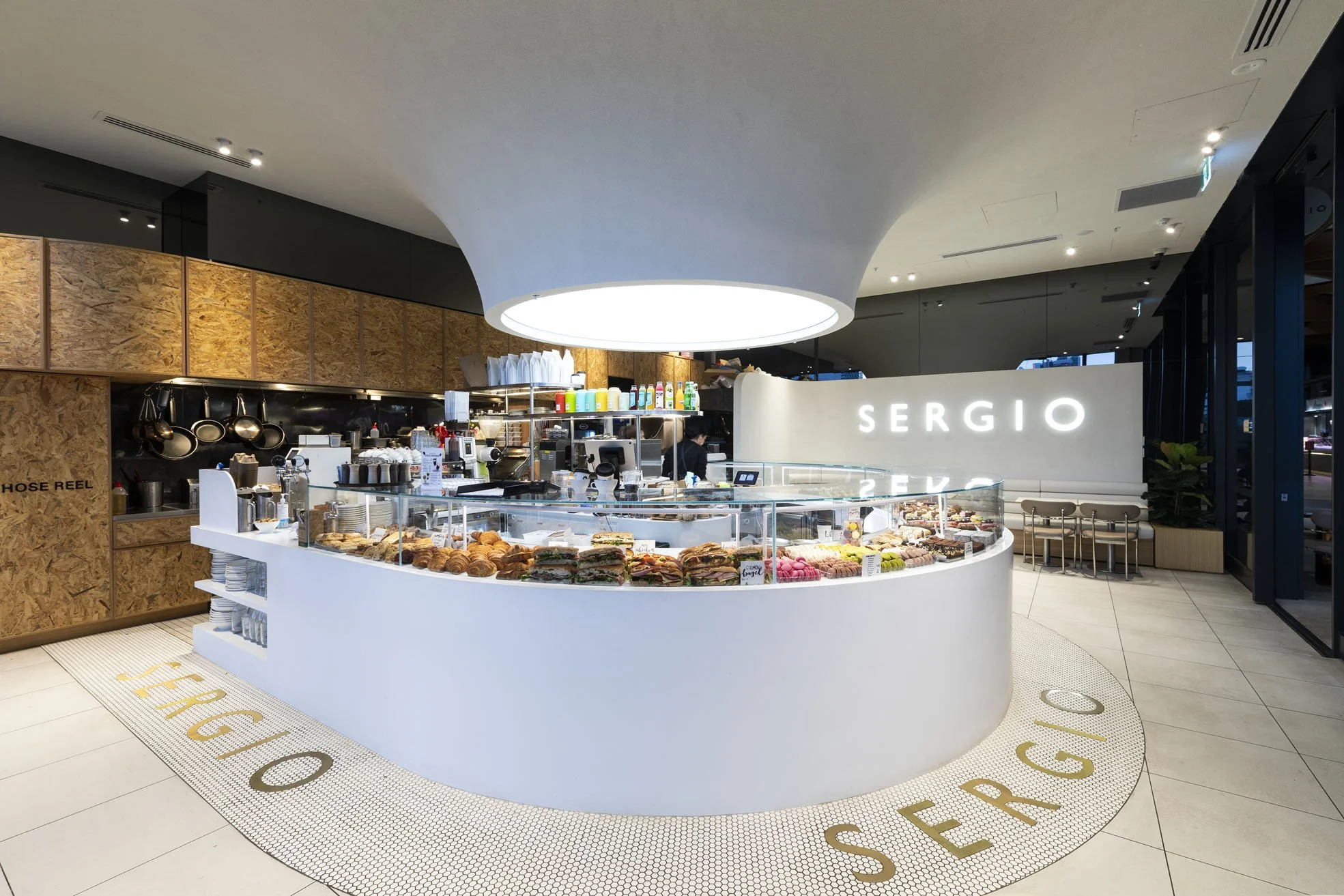
Used where appropriate, they can help reduce uncertainty, support informed decisions and establish clear expectations before full production begins.
Here's how mock-ups and prototypes can contribute to premium fitout delivery.
1. Translating Design Intent Into a Buildable Outcome
Drawings, specifications and documentation communicate the design intent, but certain details can benefit from being reviewed physically before full fabrication. This is particularly valuable for bespoke joinery, complex junctions, feature elements and specialist finishes.
Trinity Insight: Where appropriate, mock-ups allow our team to work alongside clients and designers to review key construction details before full production, helping confirm buildability, workmanship and the intended finish. This provides another layer of coordination between documented design intent and construction.
2. Reviewing Materials and Finishes at Scale
Material samples are an important part of the specification process, but some finishes can present differently once fabricated, joined or installed at a larger scale. Colour, texture, junctions, edge details and the interaction between different materials may all become clearer through physical samples or mock-ups.
Trinity Insight: For selected elements, samples and finish mock-ups can help the project team review how specified materials perform within the proposed construction detail before they are incorporated across the wider fitout. This can be particularly useful when working with bespoke finishes or combinations of materials that require precise execution.
3. Identifying Construction Issues Before Installation
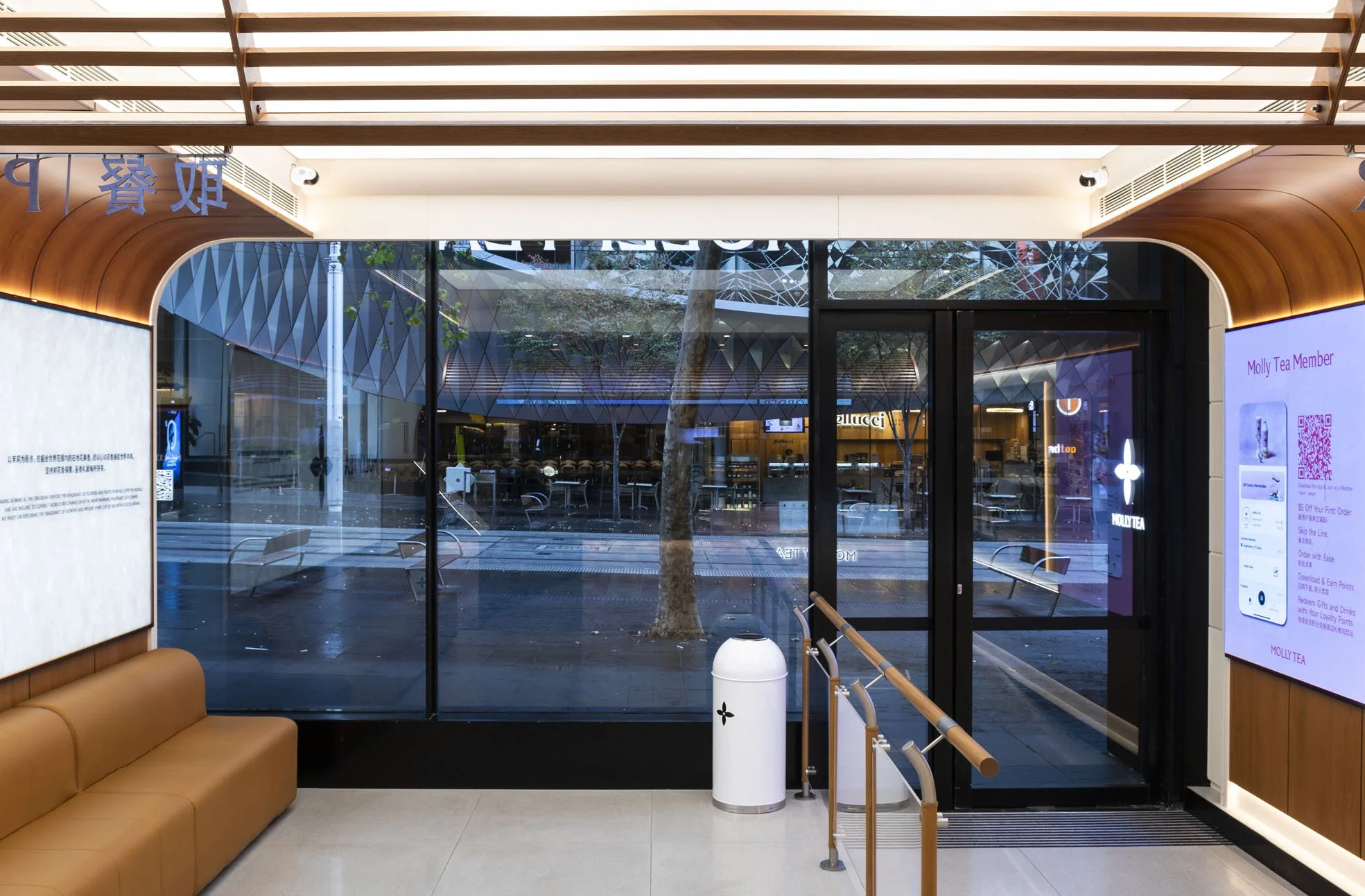
Changes become increasingly difficult and costly once fabrication or installation is underway. For complex elements, testing a detail beforehand can reveal fabrication challenges, difficult junctions, tolerance issues or installation requirements that aren't immediately apparent from drawings alone.
Trinity Insight: By reviewing selected components before full production, potential construction issues can be identified and coordinated with the relevant project stakeholders earlier, helping reduce unnecessary rework during fabrication and installation. Early resolution can also help protect the construction programme and reduce the risk of avoidable variations.
4. Supporting Collaboration Across the Project Team
Premium commercial fitouts can involve clients, interior designers, architects, engineers, consultants, suppliers and specialist trades. For certain details, a physical mock-up gives the relevant stakeholders a common reference point for review.
Trinity Insight: Mock-ups can support clearer conversations between the shopfitting team, client, designer and relevant consultants by providing a physical example of how a detail is proposed to be fabricated and finished. This allows feedback to be addressed before the relevant element progresses into full production.
5. Establishing a Benchmark for Workmanship
For bespoke or repeated elements, an approved mock-up can provide a useful quality benchmark. Alongside the approved drawings and specifications, it can establish expectations around finishes, junctions, detailing and workmanship for the relevant works.
Trinity Insight: Where a mock-up forms part of the project requirements, the approved outcome can be used as a reference during fabrication and installation, helping maintain consistency across repeated elements. Quality is easier to manage when expectations are clearly understood before production begins.
6. Supporting Consistency Across Multi-Site Rollouts
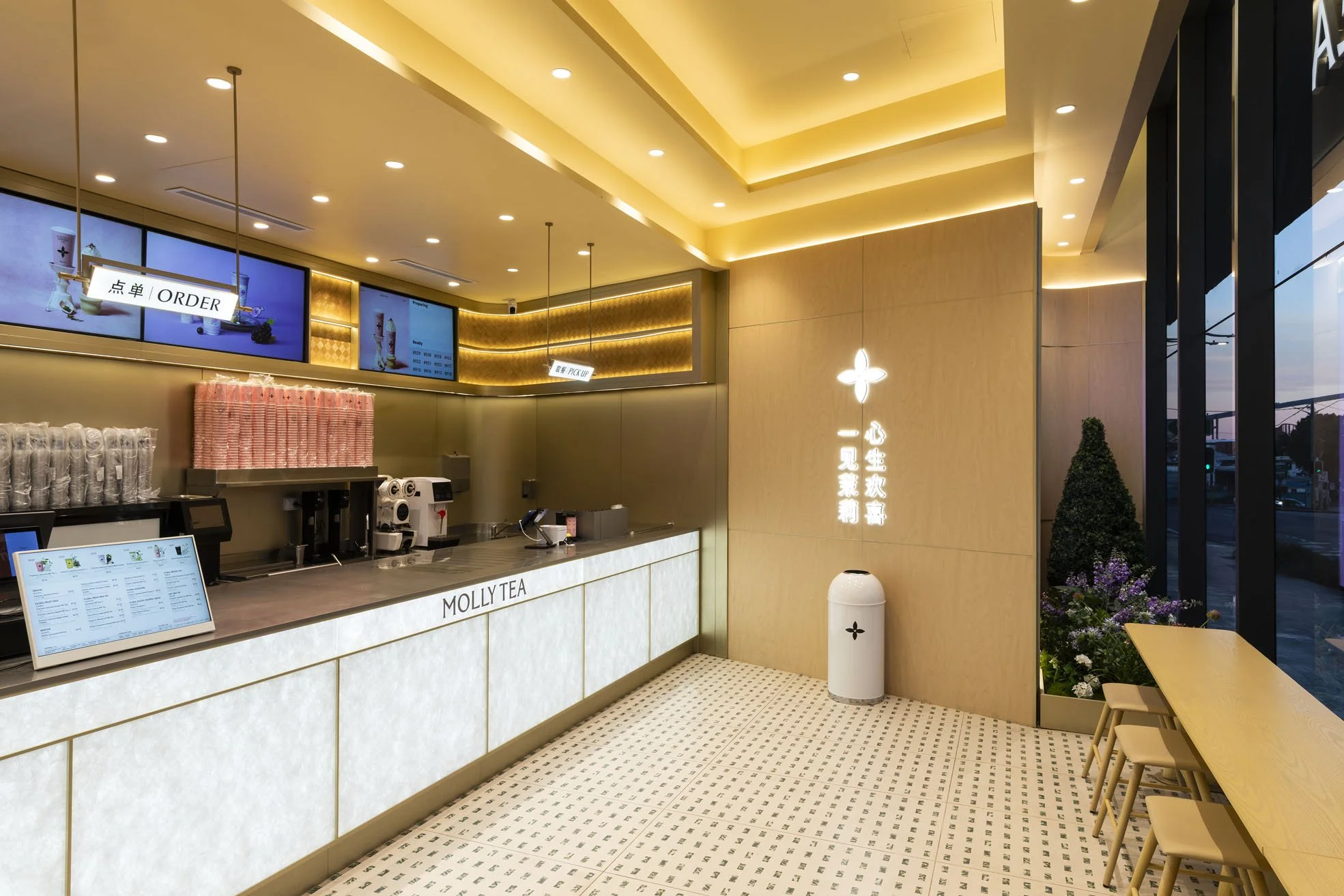
Consistency becomes particularly important when a retail or hospitality brand is expanding across multiple locations. Repeated joinery details, fixtures and construction elements need to be delivered to a consistent standard while accommodating the conditions of each tenancy.
Trinity Insight: Approved samples, prototypes and construction documentation can provide repeatable references for future locations, helping our teams maintain consistency in fabrication, finishes and workmanship across a rollout. Each site may have different construction conditions, but the expected standard remains clear.
7. Creating Greater Certainty Before Full Production
Bespoke fabrication can represent a significant component of a premium commercial fitout. Where an element is complex, highly visible or repeated throughout a project, confirming key details before full production can provide greater confidence for everyone involved.
Trinity Insight: Mock-ups and prototypes let the team review selected construction details while adjustments are still practical, helping them make informed decisions before committing to wider fabrication. It's another way careful preparation can support a more controlled construction process.
Final Word
Mock-ups and prototypes aren't required for every element—or every fitout—but when used strategically, they can play an important role in premium shopfitting.
They help translate documented design intent into buildable details, provide opportunities to review materials and workmanship, identify potential construction issues earlier and establish clear quality benchmarks before full production.
At Trinity Shopfitting, quality is considered throughout the delivery process. Where a project calls for mock-ups, samples or prototypes, we work closely with clients, designers, consultants and suppliers to review and refine key construction details before they move into full fabrication.
The objective is simple: greater certainty before production and greater consistency in the finished fitout.
Planning a premium retail or hospitality fitout with complex or bespoke detailing?
Let's discuss how the right fabrication and validation process can support your project.
