Small Format, Big Impact: Why Premium Brands Are Turning to High-End Kiosks and Pop-Ups
In today’s agile retail environment, success isn’t measured by square meterage. It’s measured by brand visibility, experience, and return on investment. For premium brands, high-end kiosks and pop-ups are proving that small formats can deliver exceptional commercial and branding results when designed and executed strategically.

Whether you're testing new markets, creating seasonal engagement, or building brand awareness, these small-scale formats offer speed, adaptability, and polish without sacrificing quality. And at Trinity Shopfitting, we know that precision and craftsmanship matter even more when space is limited.
Here’s why more luxury and lifestyle brands are choosing kiosks and pop-ups, and how to make them perform.
1. Faster Launches, Fewer Barriers
Pop-ups and kiosks are agile by nature, designed for fast concept-to-completion timelines. This enables brands to seize retail opportunities, respond to trends, or align with key events and seasons.
Trinity Tip: Use modular construction, pre-approved materials, and experienced partners who can handle permits and centre requirements while fast-tracking your build.
2. Strategic Placement = Maximum Footfall
High-end kiosks positioned in high-traffic areas, like shopping centre junctions, entrances, or event precincts, create instant visibility without the commitment of a full tenancy.
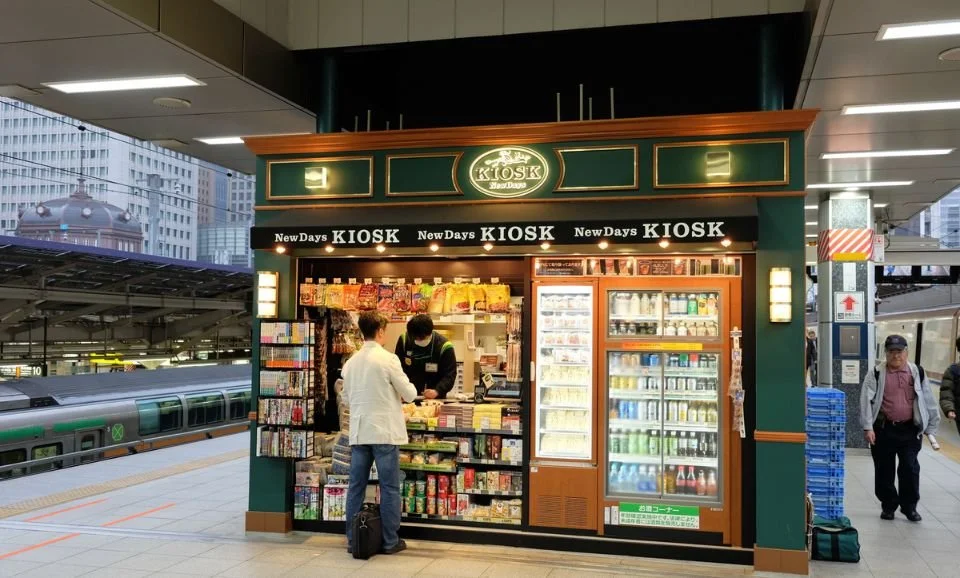
Trinity Tip: Place kiosks at natural decision points, such as escalators, walkways, or food courts. Use elevated signage, open sightlines, and lighting to command attention from all angles.
3. Live Testing Without Long-Term Risk
Pop-ups offer a low-risk way to trial new products, store formats, or brand campaigns. And with the right setup, brands can collect real-time feedback to inform future decisions.
Trinity Tip: Turn your pop-up into a live research tool. Track engagement, sales, and customer flow to refine layouts and brand strategy before investing in larger spaces.
4. Immersive Design, Memorable Experiences
Limited space doesn’t mean limited creativity. Premium pop-ups can deliver high-impact, high-design experiences that surprise and connect with customers.
Trinity Tip: Incorporate interactive displays, tactile materials, and photo-worthy lighting. Consider digital integrations like QR codes to extend the brand experience beyond the kiosk.
5. Premium Design, Regardless of Size
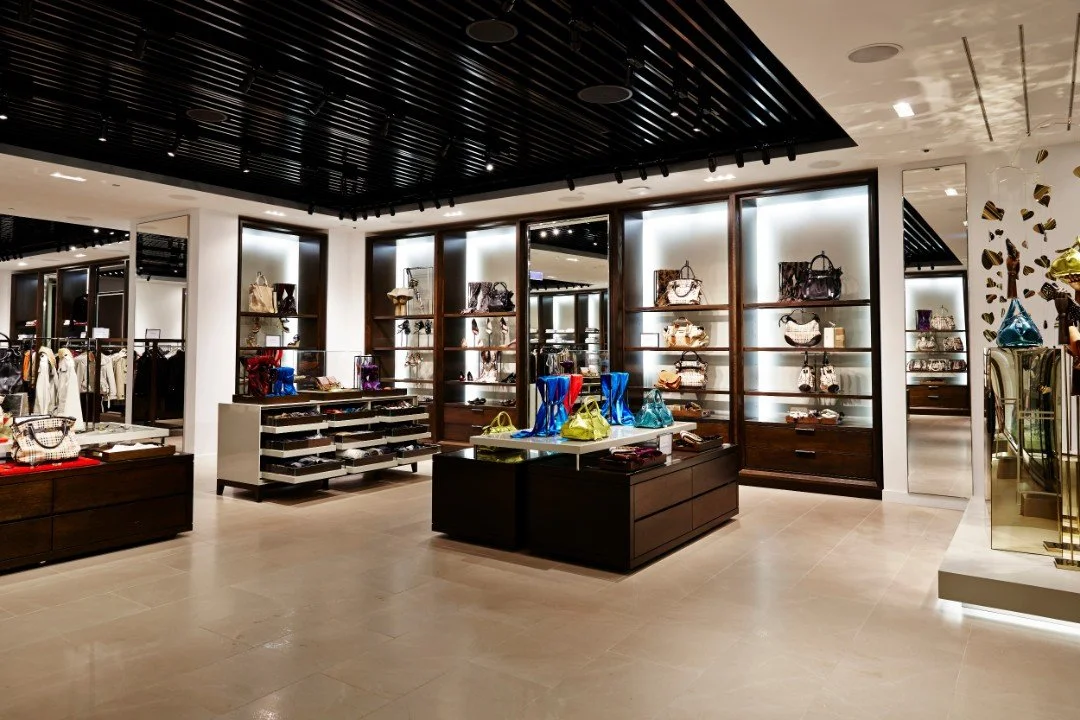
Temporary doesn’t mean throwaway. A kiosk or pop-up must uphold your brand’s quality, even for a short-term footprint. The details still matter.

Trinity Tip: Use high-end joinery, concealed storage, and luxury finishes. Our team ensures your temporary space feels just as polished as a permanent store.
6. Modular, Mobile, and Built to Move
Pop-ups shouldn’t be one-off expenses. When designed well, they can travel, be reconfigured, or scaled across events and locations.
Trinity Tip: Use flat-pack joinery, interchangeable panels, and tool-free connections. We build kiosk solutions that can be reused, relocated, and reimagined with minimal effort.
7. Optimised for ROI in Every Square Metre
With smaller footprints, every inch must perform. The right layout and zoning can make a pop-up just as profitable and productive as a full-size store.
Trinity Tip: Design vertically. Maximise under-bench storage, use tiered displays, and layer lighting to highlight key SKUs. Small space should never mean a missed opportunity.
Final Word
High-end kiosks and pop-ups aren’t an alternative to premium retail. They’re a smarter evolution. With the right strategy, they deliver brand impact, commercial return, and design excellence.
At Trinity Shopfitting, we help brands turn compact spaces into powerful brand platforms. Whether you’re launching a new concept, testing a market, or amplifying a campaign, we build kiosks and pop-ups that work just as hard as your flagship stores.
Planning your next agile activation?
Let’s build something that leaves a lasting impression.
