
Building Responsibly: How Sustainable Fitouts Strengthen Premium Brands
Sustainability in retail design is no longer a luxury. It’s a commercial and ethical imperative. Today’s premium retailers face increasing expectations from customers, landlords, and stakeholders to reduce environmental impact, without sacrificing visual appeal or performance.
At Trinity Shopfitting, we understand that a sustainable space must also be high-performing. That’s why we integrate sustainable thinking into every stage of the fitout process, from material selection to construction methods and lifecycle planning.
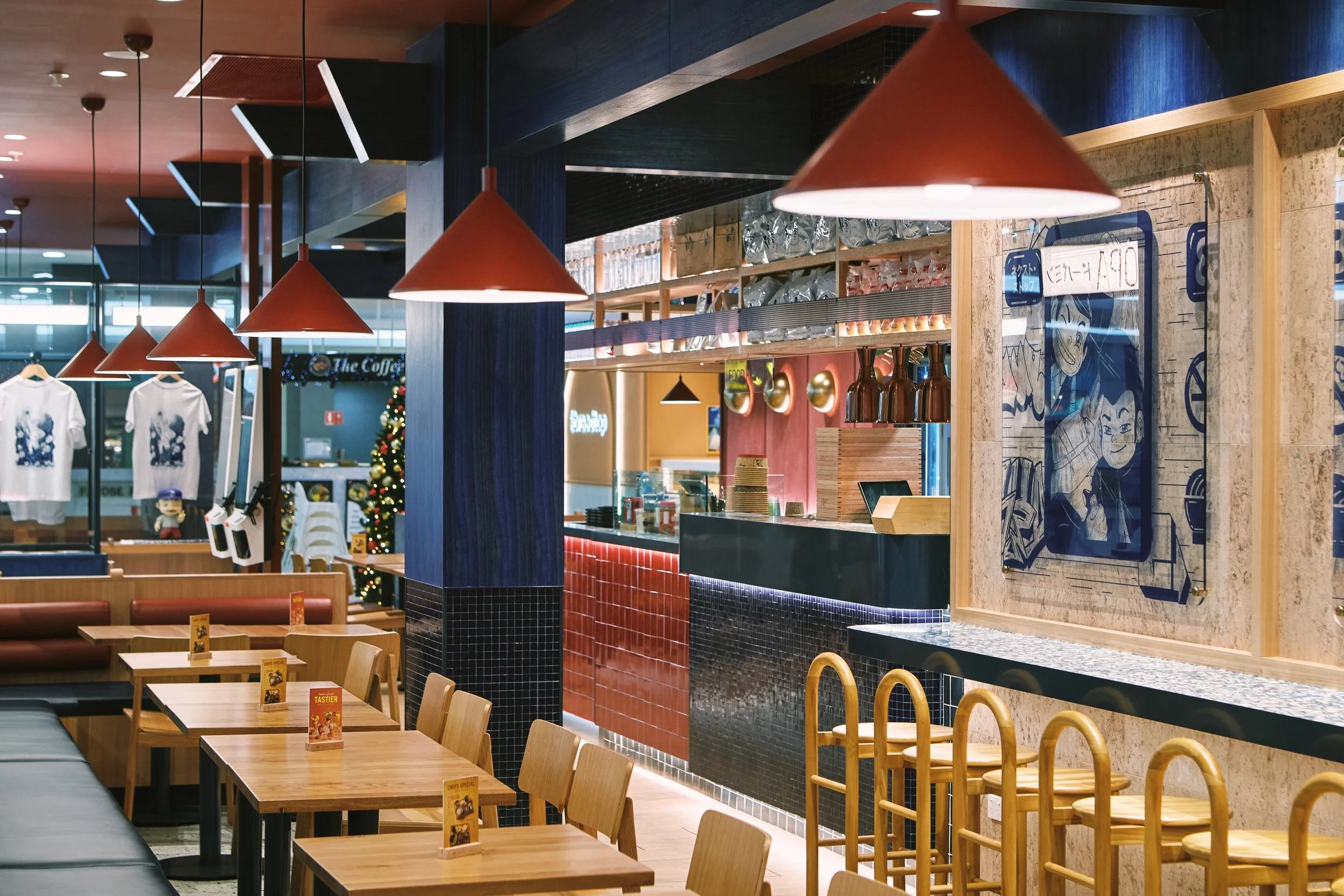
Here’s how sustainability is shaping the future of premium retail fitouts, and how brands can build responsibly while staying true to their aesthetic and operational goals.
1. Begin With Responsible Material Specification
Eco-conscious fitouts start with early, intentional design choices. Selecting sustainable materials at the concept stage reduces emissions, prevents waste, and sets the tone for a greener build.
Example: A premium fashion brand specified FSC-certified timber and low-VOC paints, aligning its design language with its sustainability ethos.
Trinity Tip:
Prioritise third-party certified materials (FSC, PEFC, GECA, Declare).
Avoid high-toxicity adhesives and formaldehyde-laden boards.
Choose high-durability finishes that minimise long-term replacement.
2. Leverage Recycled and Recyclable Materials
Recycled materials no longer mean compromise. From refined textures to high-end finishes, sustainable materials now meet luxury standards while supporting circularity.
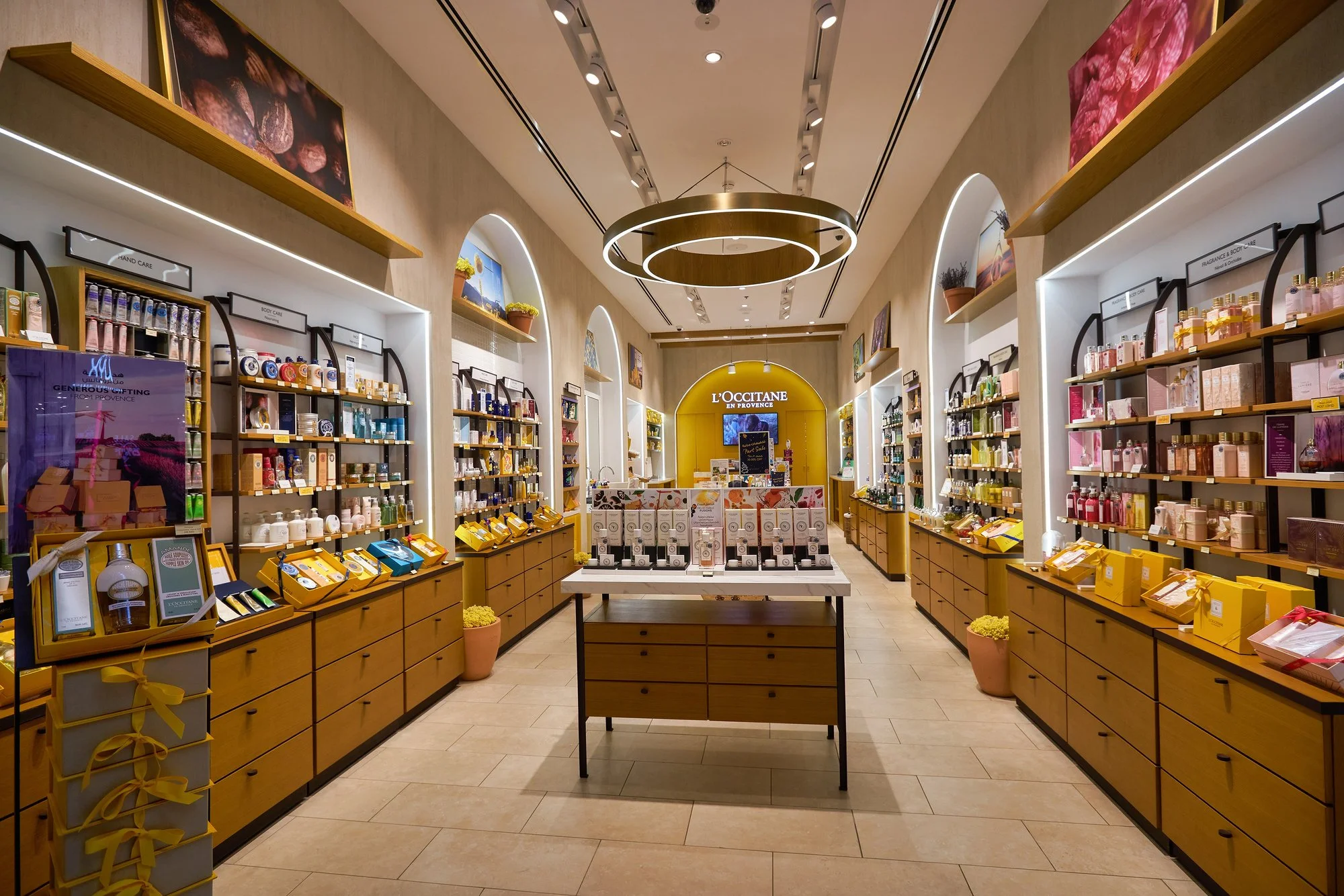
Example: A skincare retailer used pressed recycled plastic panels resembling terrazzo, blending design appeal with environmental responsibility.
Trinity Tip:
Use recycled content in feature surfaces, countertops or plinths.
Opt for materials that can be easily dismantled and reused.
Avoid bonded composites that are difficult to recycle.
3. Design With Modularity and Flexibility
Fixed joinery can lead to unnecessary waste during refurbishments. Modular systems allow for reconfiguration, relocation, and reuse—especially for brands with seasonal or campaign-driven formats.
Example: A luxury accessories brand used flat-pack shelving adaptable for future stores, reducing waste and build cost.
Trinity Tip:
Specify modular fixtures with minimal fastenings.
Design for tool-free disassembly and portability.
Consider reuse potential during every design phase.
4. Reduce On-Site Waste With Prefabrication
Off-site fabrication not only reduces installation time. It dramatically cuts waste and environmental disruption on site.
Example: A tech retailer used CNC-fabricated joinery to reduce site waste by 60%, completing their build under budget.
Trinity Tip:
Use CAD and CNC tools to optimise sheet usage.
Prefabricate joinery in workshops that support recycling programs.
Choose partners with transparent waste management practices.
5. Source Local. Build Local. Think Global.
Reducing the environmental cost of logistics is just as important as material selection. Local manufacturing supports traceability, speeds up timelines, and lowers your carbon footprint.
Trinity Tip:
Prioritise Australian-made materials and suppliers.
Avoid long-lead imports requiring air freight.
Vet manufacturers for both environmental and ethical compliance.
6. Optimise Energy Through Smart Lighting
Lighting is a major operational cost, and a key area for efficiency. Premium fitouts can reduce energy without compromising ambience through smart planning and automation.
Example: A menswear retailer used motion-sensing DALI controls to reduce lighting costs by 30% in low-traffic zones.

Trinity Tip:
Use high-efficacy LEDs with CRI 90+ for product clarity.
Integrate daylight sensors, dimming controls and timers.
Design ceiling grids that can evolve with future lighting needs.
7. Design for End-of-Life and Disassembly
True sustainability means thinking beyond the current fitout. Planning for end-of-life disassembly extends the lifecycle of materials and reduces landfill.
Trinity Tip:
Label components for easy removal and reuse.
Avoid gluing finishes—use screws or clips wherever possible.
Use adaptable joinery suited for future sites or pop-ups.
8. Share the Sustainability Story
Customers want to shop with purpose. Communicating your sustainability choices, both on-site and online, reinforces brand values and builds trust.
Example: A beauty brand used in-store signage to highlight its carbon-neutral fitout, including recycled-material use and waste-reduction stats.

Trinity Tip:
Track and document sustainability metrics (e.g. recycled content, energy savings).
Use storytelling in-store and digitally to share your environmental efforts.
Work with partners who can help you meet ESG reporting goals.
Final Word
Sustainability in shopfitting isn’t just a design trend, it’s a long-term investment in your brand, your customers, and the planet. Done right, it supports your brand story, reduces operational cost, and ensures your space is future-ready.
At Trinity Shopfitting, we combine precision, craftsmanship, and sustainability to deliver retail environments that elevate your brand and minimise environmental impact.
Looking to create a fitout that performs beautifully and builds responsibly?
Let’s talk sustainability.
