Refurbishment vs Full Fitout: Making the Right Call
When your commercial space no longer reflects your brand or supports your operations, the question isn't always whether to upgrade—it's how.
Should you refurbish the existing space or invest in a complete fitout? The answer depends on your objectives, the condition of the tenancy, your operational requirements and your long-term plans. Making the right decision early can save significant time, cost and disruption.
Here's how to determine which approach is right for your business.
1. Start With Your Business Goals
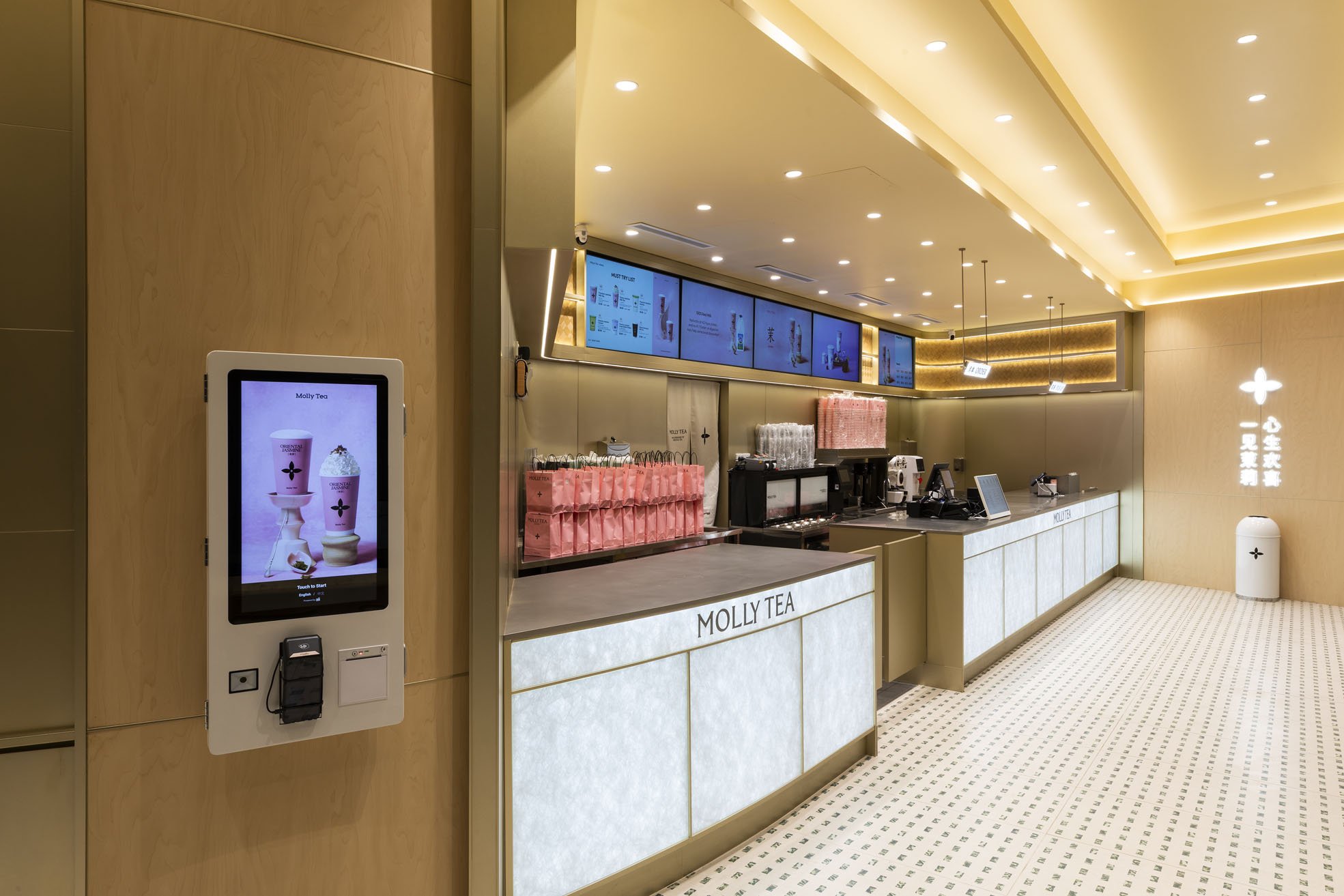
Before comparing costs or programmes, consider what you're trying to achieve. If the objective is to refresh your space, update finishes or improve customer perception, a refurbishment may be sufficient.
If you're reconfiguring the layout, introducing new services or significantly changing how the space operates, a full fitout is often the more appropriate solution.
Trinity Insight: Every project begins with understanding how the space needs to function. The scope of works should always support the operational and commercial goals of the business.
2. Understand the Difference
Although the terms are often used interchangeably, refurbishment and fitout involve different levels of work. A refurbishment generally updates an existing space while retaining much of the existing layout and infrastructure. This may include replacing finishes, refreshing joinery, upgrading lighting or carrying out minor alterations.
A full fitout involves more extensive construction works, which may include new partitions, services coordination, ceilings, flooring, custom joinery and a complete reconfiguration of the tenancy to support new operational requirements.
Trinity Insight: We assess the existing tenancy and recommend the most practical construction approach based on the condition of the space, project objectives and budget.
3. Consider Long-Term Value
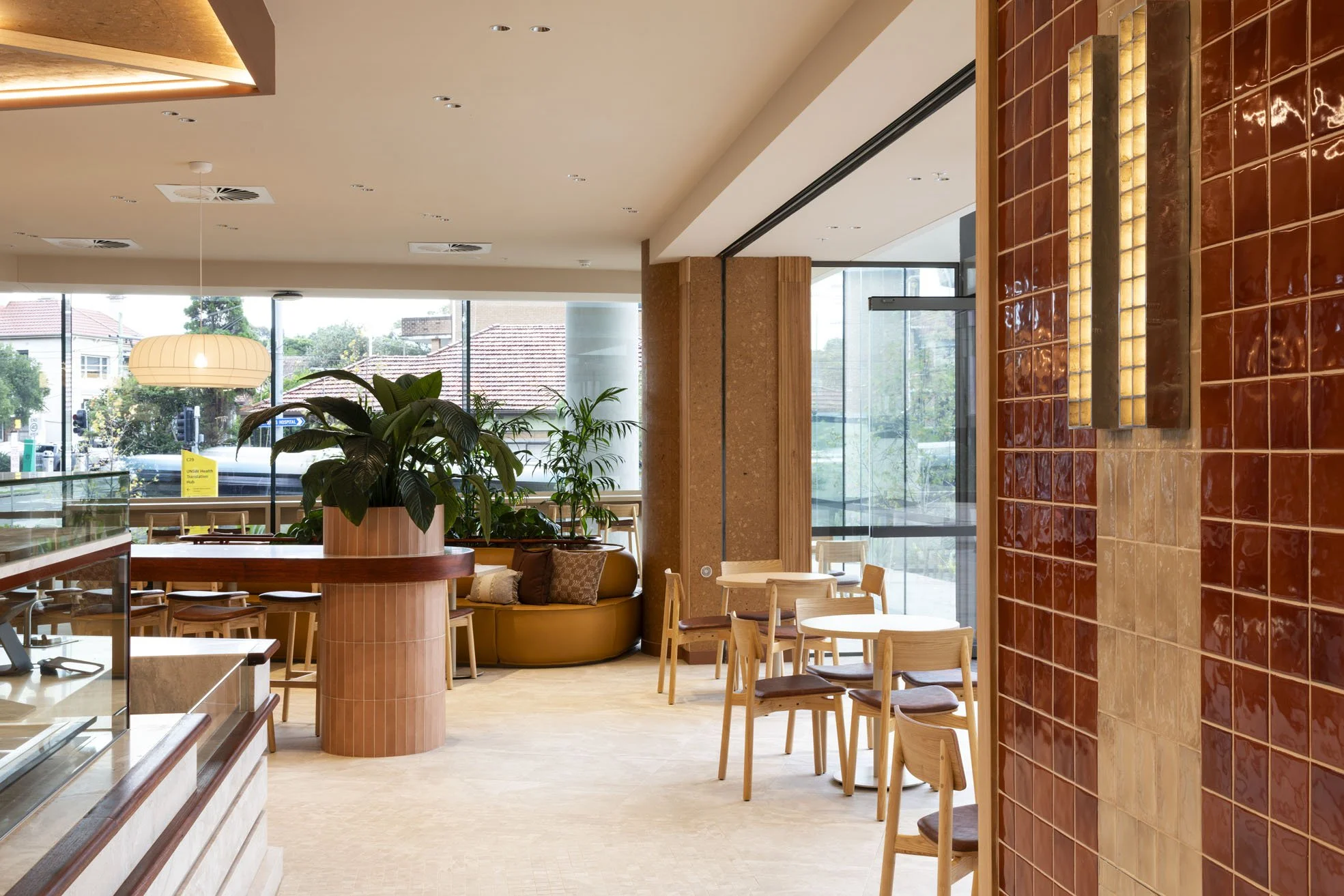
A refurbishment often requires a lower upfront investment, but it isn't always the most cost-effective solution over time. If ageing services, operational limitations or construction issues remain, future upgrades may become more disruptive and expensive than addressing them as part of a larger fitout.
Trinity Insight: We help clients understand where investment will deliver the greatest long-term value, balancing immediate project costs with future performance and maintenance.
4. Look Beyond Surface-Level Improvements
Refreshing finishes can improve the appearance of a space, but it won't resolve underlying operational or construction issues. Poor workflow, inadequate storage, ageing services or inefficient layouts often require more substantial building works.
Trinity Insight; Before recommending a refurbishment, we assess how the existing tenancy functions. Where operational improvements require structural or construction changes, a full fitout may provide greater long-term value.
5. Programme and Business Disruption Matter
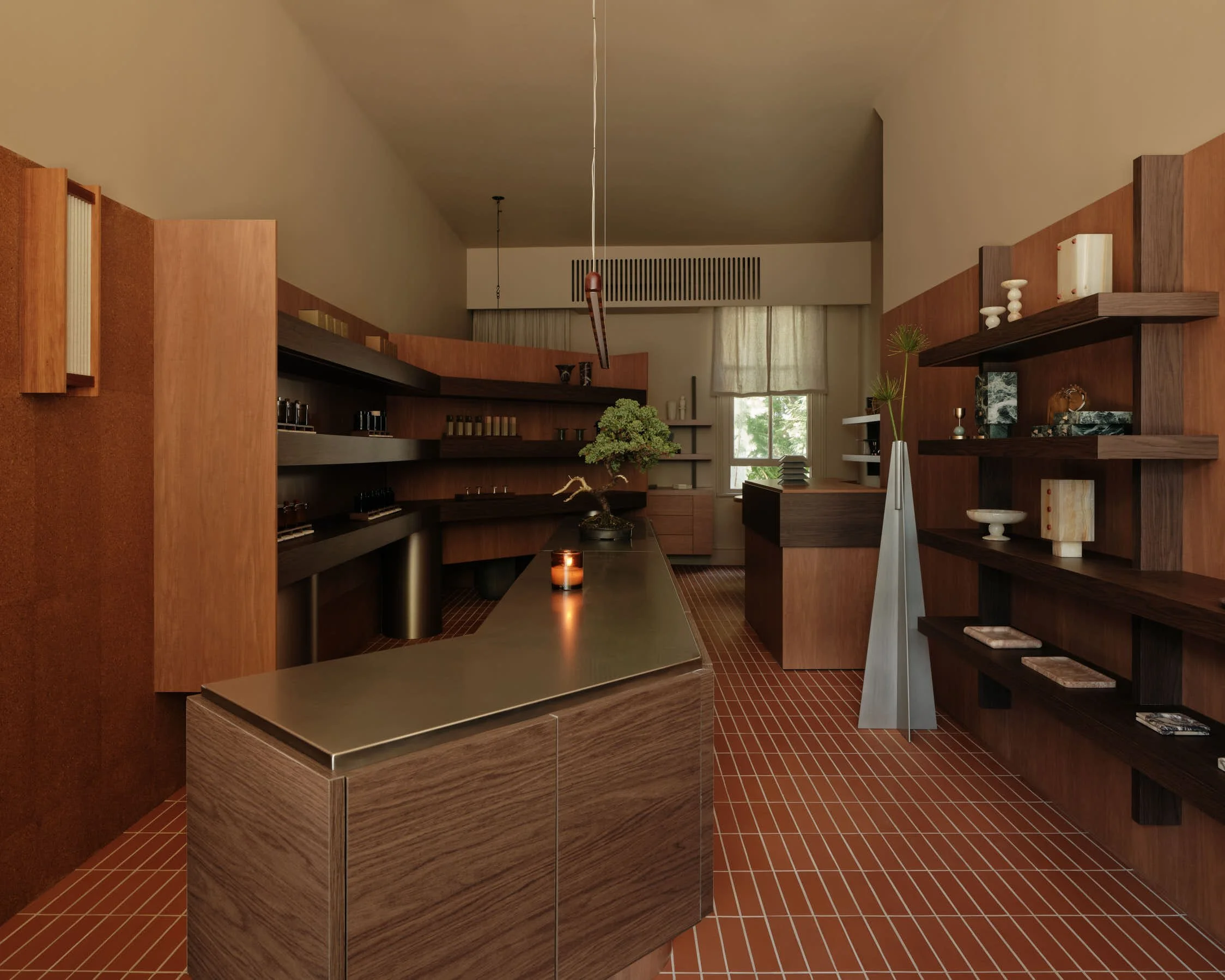
Every day a business is closed affects operations. Choosing the right construction approach can help minimise downtime.
Trinity Insight: Where appropriate, refurbishment works can often be staged to reduce disruption, while full fitouts benefit from detailed planning, coordinated trade sequencing and off-site fabrication to streamline delivery.
6. Existing Site Conditions Influence the Scope
Older buildings can conceal ageing services, non-compliant works or structural constraints that aren't immediately visible. These conditions often determine whether a refurbishment remains practical or whether a more comprehensive fitout becomes necessary.
Trinity Insight: Detailed site inspections and early coordination help identify potential issues before construction begins, allowing more informed decisions and reducing the likelihood of costly surprises.
7. Build for Future Growth
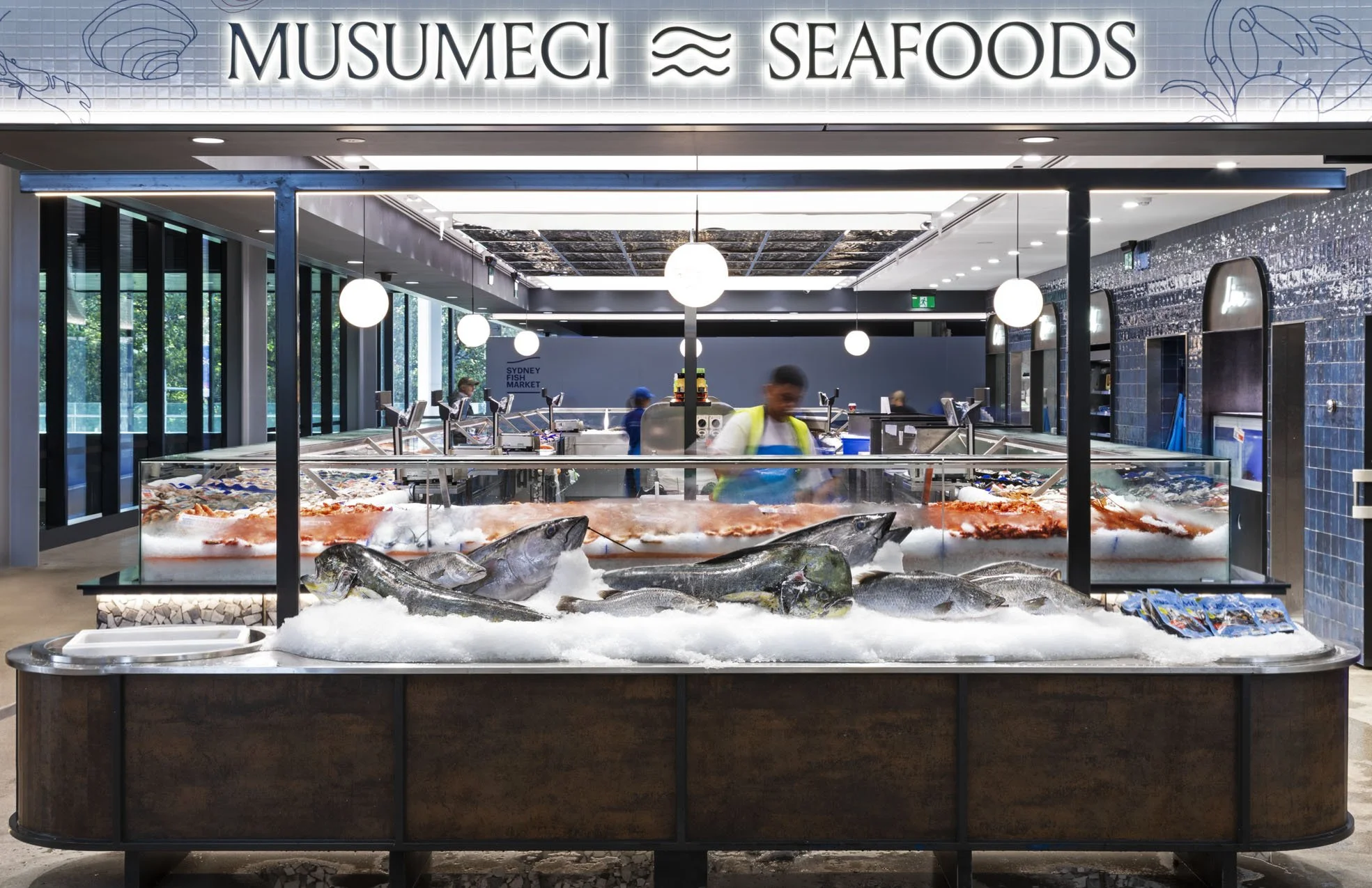
The best investment isn't always the least expensive one—it's the one that supports your business over the long term. Businesses planning additional locations, new operational requirements or future expansion often benefit from a fitout that can accommodate ongoing change.
Trinity Insight: We construct commercial fitouts with durability, flexibility and future upgrades in mind, helping clients maximise the lifespan of their investment.
Final Word
Choosing between a refurbishment and a full fitout isn't simply about budget—it's about selecting the construction approach that best supports your business.
The right solution balances operational needs, programme certainty and long-term value.
At Trinity Shopfitting, we work closely with clients, designers and consultants to assess existing tenancies, coordinate construction and deliver commercial fitouts that are built to perform now and into the future.
Not sure whether your project needs a refurbishment or a full fitout?
Let's assess your space and help you determine the right construction approach.
