
Managing Live-Site Fitouts Without Disrupting Trade
Closing your business during a fitout isn't always an option. For many retailers, cafés, restaurants and hospitality venues, every day away from trade can affect revenue, staff and customers. Where the site and scope allow works to proceed while a business remains operational, live-site fitouts require careful planning, staging and coordination.
Working around customers, staff and day-to-day operations involves more than simply completing construction safely. Access, noise, dust, deliveries, trade sequencing and temporary work zones all need to be carefully managed throughout the programme.
Here's how experienced shopfitters approach live-site projects while working to minimise disruption.
1. Planning Starts Well Before Construction

The success of a live-site fitout is determined long before work begins. Construction activities, customer access, deliveries, trading hours and operational requirements need to be considered when establishing the project programme.
Trinity Insight: We develop staged construction programmes around the operational requirements of each project, identifying how works can be sequenced to minimise disruption while maintaining safe and efficient site conditions.
2. Stage the Works Strategically
Not every part of a fitout needs to happen at once. Where the layout and scope permit, breaking construction into carefully planned stages can allow sections of the business to remain operational while works progress elsewhere.
Trinity Insight: We sequence works to maintain business continuity wherever practical, coordinating each stage around access requirements, trading conditions and the wider construction programme.
Careful staging can also support tighter delivery programmes without compromising the quality of the completed fitout.
3. Schedule High-Impact Work Outside Trading Hours

Some construction activities are not suited to busy trading periods. Demolition, noisy works, major services works and large deliveries may need to be completed outside operating hours, depending on the site and project requirements.
Trinity Insight: Where practical, we programme high-impact works around trading hours and site restrictions, helping minimise disruption to customers, staff and surrounding businesses.
For shopping centre and managed commercial environments, this also means coordinating works with landlord and centre management requirements.
4. Communication Keeps Everyone Aligned
Live-site projects require close coordination between the client, shopfitting team, centre management or landlord, consultants, suppliers and trades. When trading conditions can change from one stage to the next, clear communication becomes essential.
Trinity Insight: We maintain clear communication throughout delivery so relevant stakeholders understand upcoming works, programme requirements, access arrangements and potential operational impacts.
Good communication doesn't replace careful programming—it supports it.
5. Safety and Customer Experience Must Work Together

A live construction environment needs to remain properly separated from customers and staff. Depending on the project, this can involve temporary hoarding, controlled access, signage, dust management, noise management and clearly defined work zones.
Trinity Insight: We plan site establishment and staging around the requirements of the individual project, maintaining appropriate separation between construction activities and operational areas while presenting the site professionally.
Safety and compliance remain fundamental throughout every stage of delivery.
6. Coordination Prevents Costly Disruption
Live-site fitouts involve multiple moving parts. Trades, fabrication, materials, deliveries, services and site access need to occur in the correct sequence. Poor coordination can result in delays, additional disruption and unnecessary interruptions to trading.
Trinity Insight: We coordinate our trades, suppliers and works against the overall project programme, working closely with clients and project consultants to keep each stage progressing efficiently.
Strong coordination is particularly important when architects, engineers, certifiers, centre management and specialist contractors are involved in the same project.
7. Maintain Quality Across Every Stage
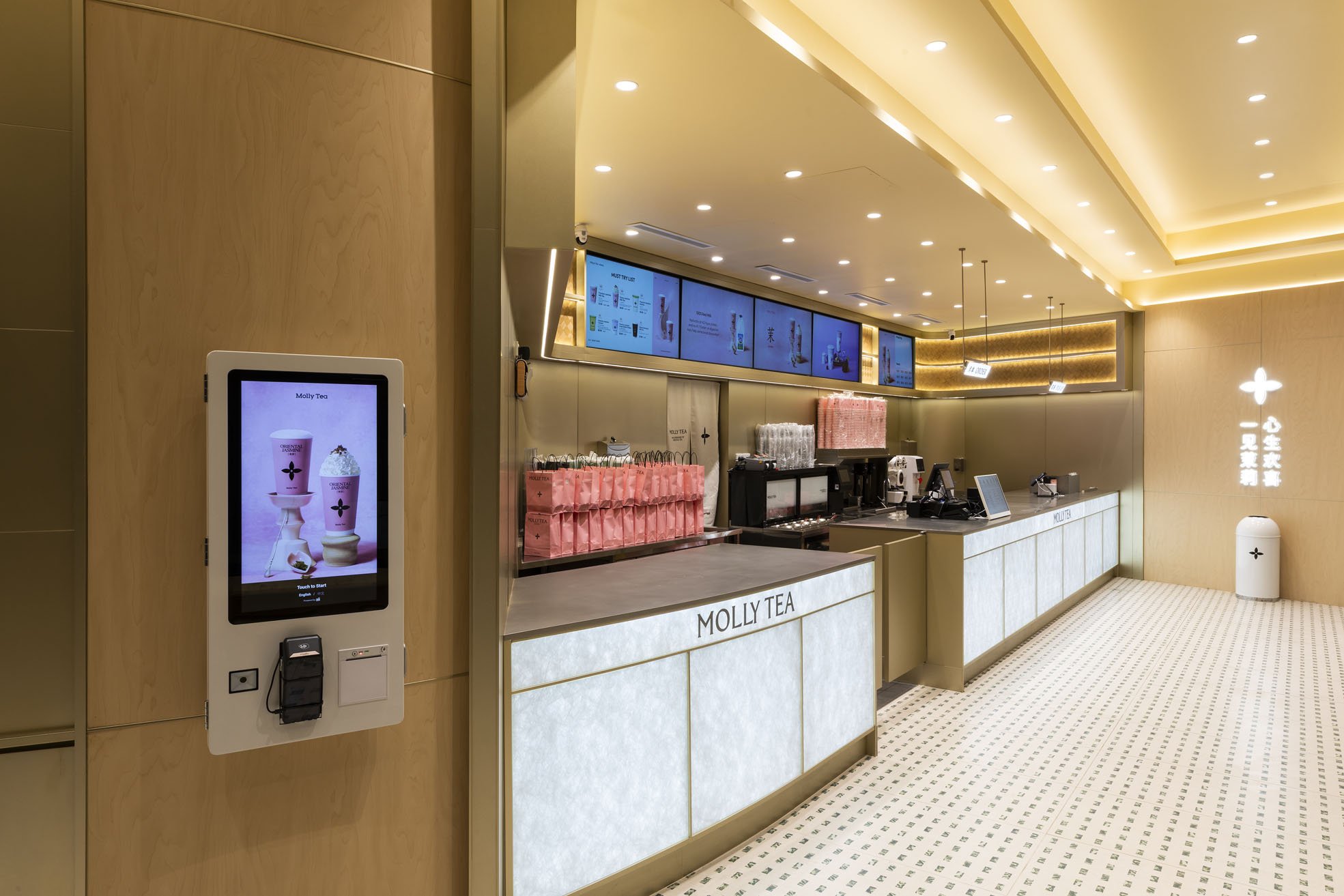
Staging a fitout shouldn't mean compromising the final result. Temporary access requirements and construction sequencing need to be considered without losing sight of the quality, functionality and detailing required for the completed space.
Trinity Insight: We approach each stage as part of the complete fitout, coordinating construction so temporary requirements don't compromise the quality or performance of the finished project.
The objective is not simply to work around an operating business. It's to deliver a completed fitout that performs as intended once construction is finished.
Final Word
Live-site fitouts demand more than construction expertise. They require careful programming, disciplined site management, clear communication and an understanding of how construction activities interact with an operating business.
Where the site, scope and relevant requirements allow, strategic staging can help businesses continue operating through parts of the construction programme while reducing unnecessary disruption.
At Trinity Shopfitting, we work closely with retail and hospitality clients, project consultants and relevant stakeholders to coordinate commercial fitouts around real operational requirements—without losing sight of programme, workmanship or the quality of the finished space.
Planning a fitout around an operating business? Let's discuss your project requirements and determine the right delivery approach.
