
How Shopfitters Coordinate With Architects, Engineers, and Consultants
Every successful fitout is the result of alignment. Architects define the vision. Engineers ensure structural and services integrity. Consultants bring specialist input. But without coordination, even the strongest design can break down during delivery.
This is where the shopfitter plays a critical role, bringing all disciplines together and translating design into a buildable, fully resolved outcome.
Here’s how experienced shopfitters manage that coordination.
1. Bridging Design and Construction
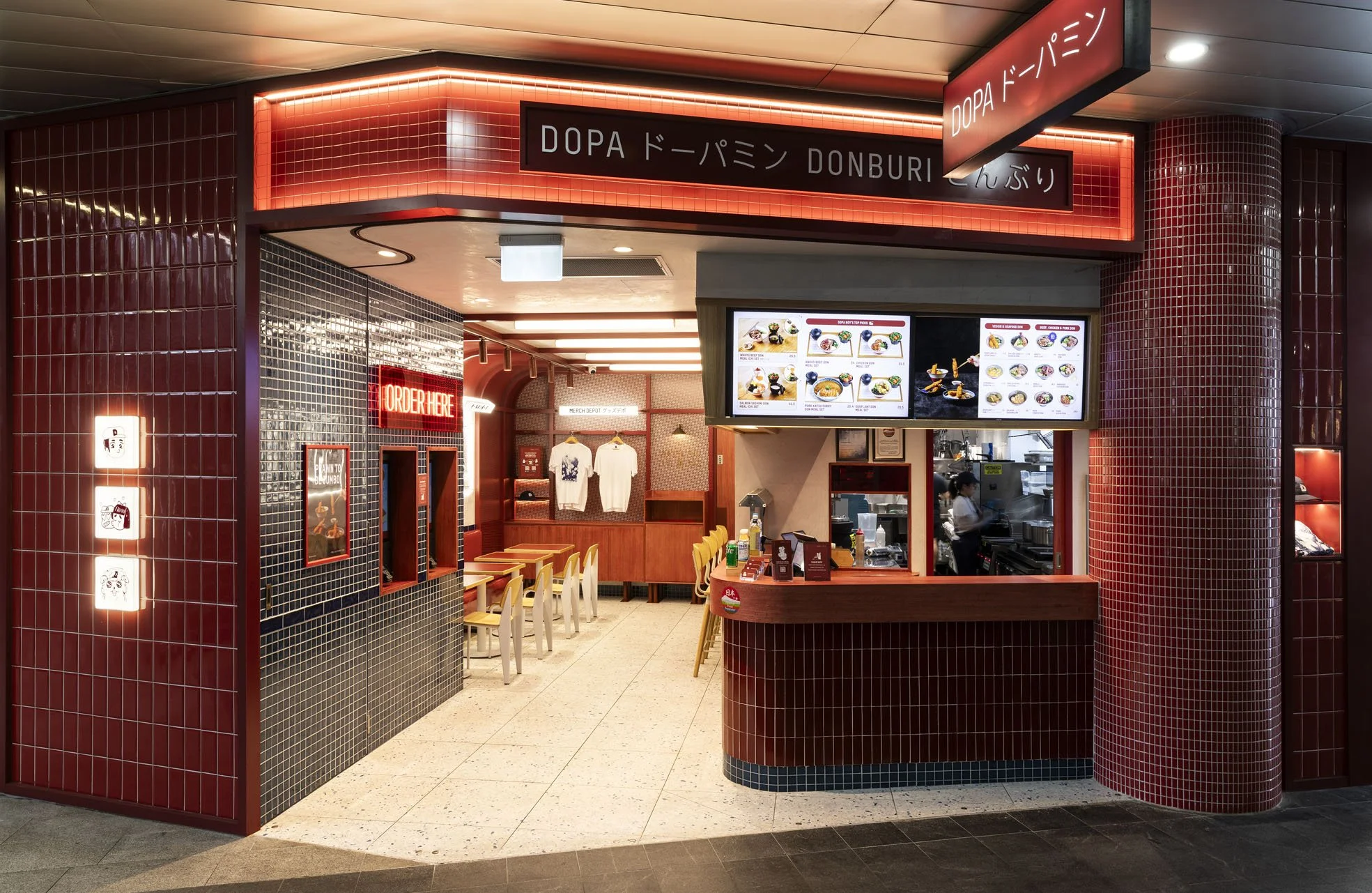
Design and documentation don’t always account for real-world build conditions. Without proper interpretation, intent can be lost between disciplines.
Trinity Insight: We operate between design and construction—ensuring the final outcome reflects both vision and feasibility, without compromise. This role is essential when navigating design intent vs build reality.
2. Resolving Detail Before Construction
Gaps between consultant drawings are a common source of conflict—services clashing with joinery, structure impacting layout, or finishes misaligning across packages.
Trinity Insight: We coordinate and resolve all drawings before construction begins—eliminating ambiguity and reducing on-site decision-making.
3. Aligning Services With Joinery and Layout

Electrical, hydraulic, mechanical and data services must integrate precisely with the physical build. Misalignment leads to rework, delays and compromised finishes.
Trinity Insight: We work closely with engineers and services consultants to ensure all connections, penetrations and layouts are resolved prior to installation. Early alignment like this helps avoid issues outlined in what can delay a fitout in NSW.
4. Embedding Compliance Across All Disciplines
Each consultant brings specific compliance requirements—fire, accessibility, structure, ventilation. If these aren’t aligned early, they can disrupt the build later.
Trinity Insight: We integrate compliance into the coordination process—ensuring all requirements are resolved within the design, not imposed during construction.
5. Maintaining Clear, Centralised Communication
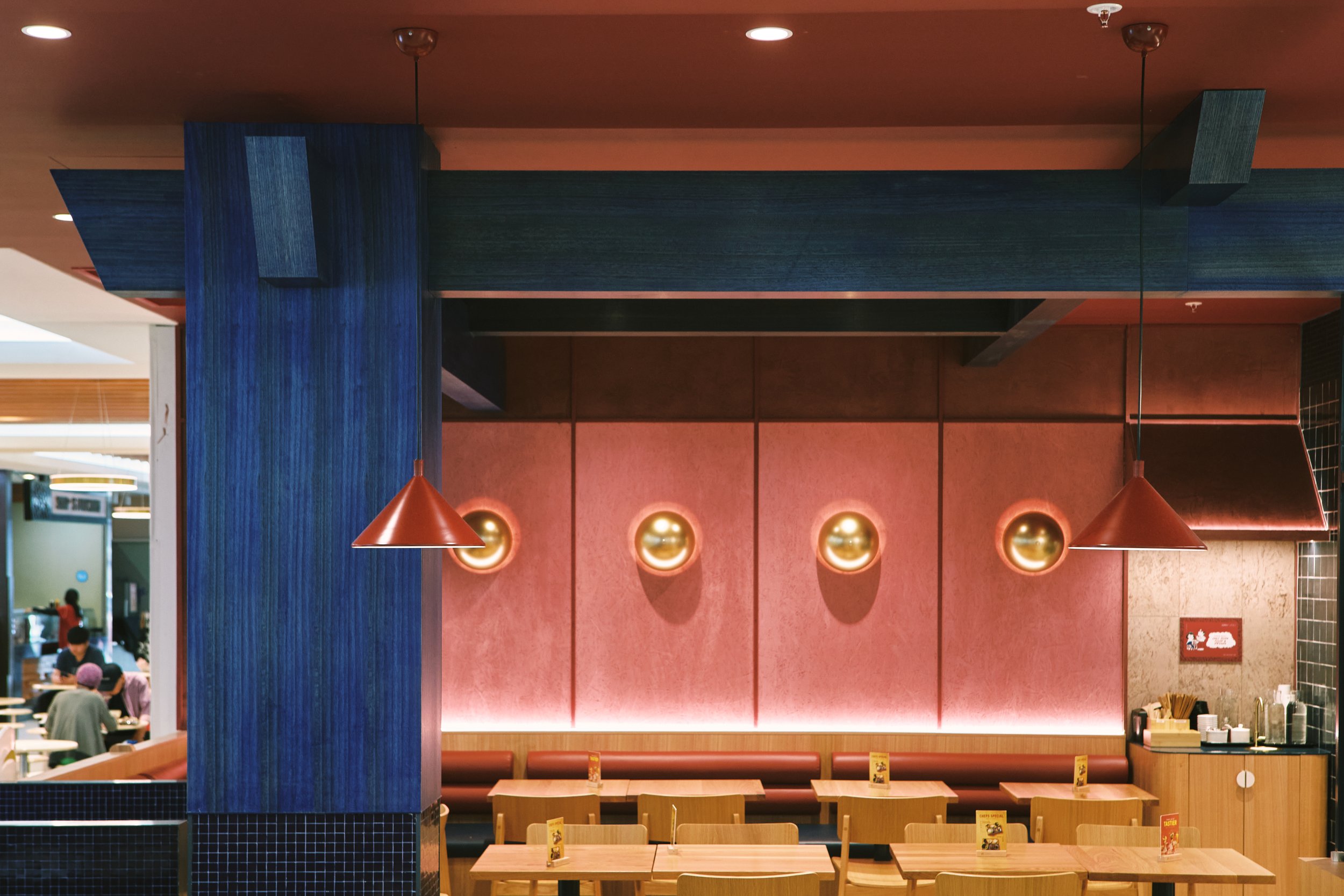
Misalignment between consultants is one of the most common causes of delay and variation.
Trinity Insight: We act as the central coordination point—keeping all stakeholders aligned to the same programme, scope and expectations. Strong communication is also key to reducing variations and protecting budgets.
6. Managing Value Engineering Across Disciplines
Cost adjustments affect multiple layers—design, structure, services and finishes. Poorly managed changes can compromise both performance and intent.
Trinity Insight: We collaborate with architects and consultants to identify alternatives that maintain design integrity while improving cost efficiency—without creating downstream issues.
7. Delivering a Fully Integrated Outcome
The success of a fitout is defined by how well everything comes together—structure, services, finishes and function.
Trinity Insight: We manage integration across all trades and consultants—ensuring the final result is cohesive, resolved, and ready for operation from day one. Because ultimately, a successful fitout is defined after opening day, not just at completion.
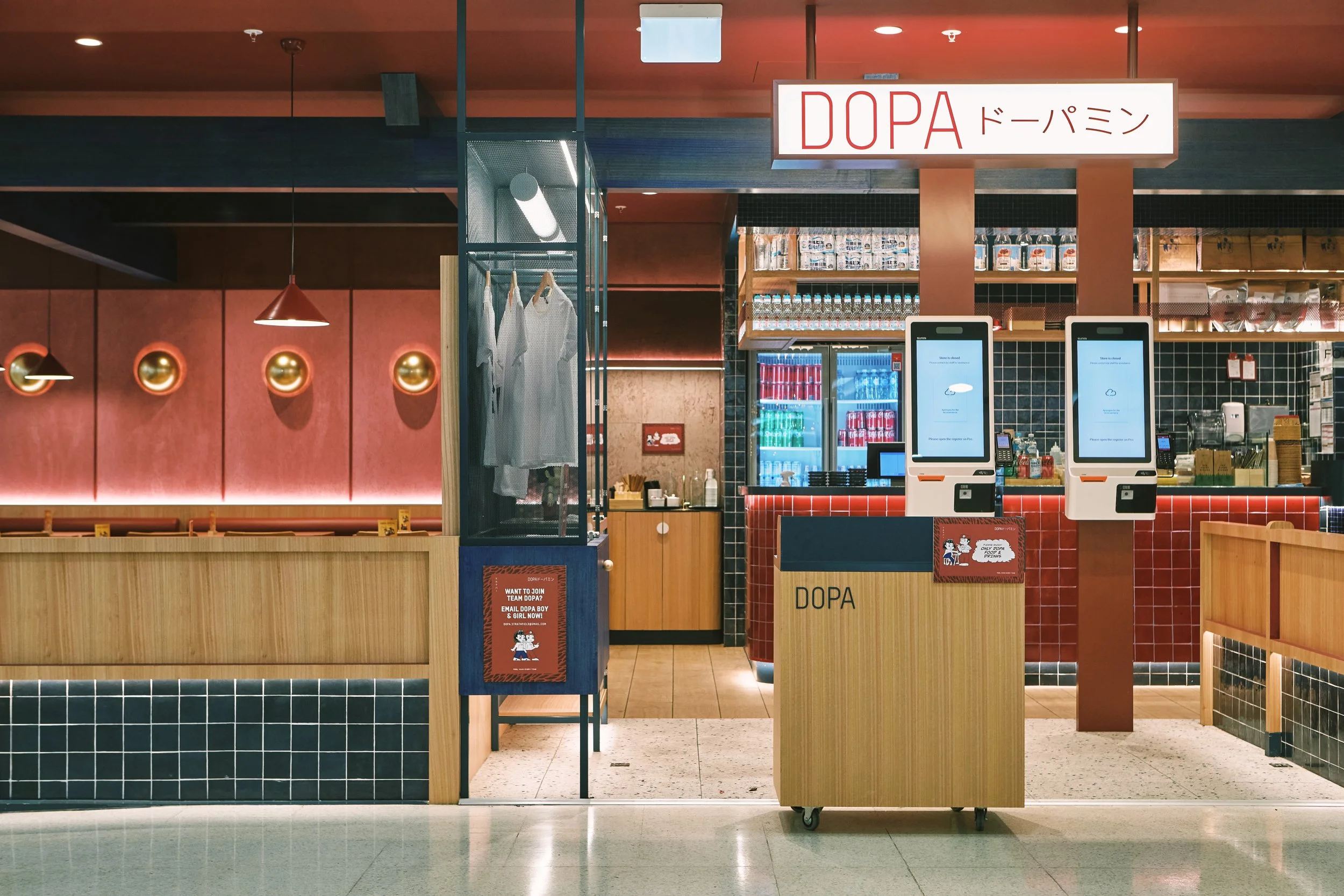
Final Word
Fitouts don’t succeed through individual disciplines—they succeed through coordination.
The role of the shopfitter is to align every moving part, resolve every detail, and deliver a space that works as a whole.
At Trinity Shopfitting, we coordinate architects, engineers and consultants with precision—ensuring your project progresses without friction and delivers exactly as intended.
Working with multiple consultants on your next project? Let’s bring everything together—seamlessly.👉
