
How Structured Project Systems Improve Fitout Outcomes
The success of a commercial fitout isn't determined on site alone. Behind the finished space is a coordinated delivery process involving documentation, procurement, fabrication, trades, site activities and programme management.
Quality workmanship remains essential, but without clear processes behind it, even well-executed construction can be affected by delays, variations and coordination issues.
For retail, hospitality and other commercial fitouts, structured project systems help create greater visibility and control throughout delivery.
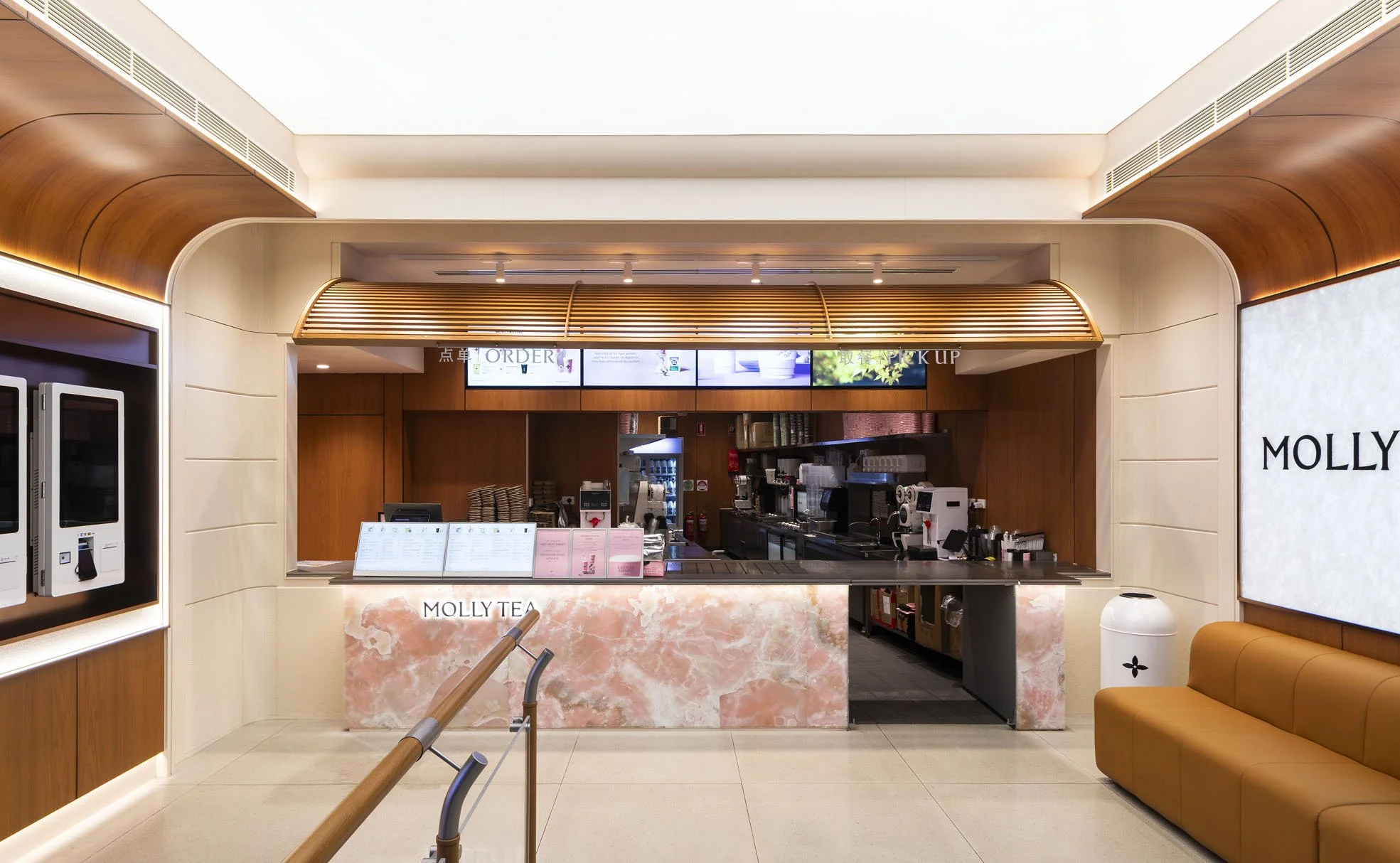
Here's why process matters just as much as construction.
1. Clear Planning Creates Greater Certainty
Every successful fitout begins with a clear understanding of the scope, programme and construction requirements. Establishing responsibilities, key milestones, procurement requirements and site constraints early gives the project team a clearer path towards delivery.
Trinity Insight: We establish a coordinated project programme from the outset, bringing together documentation, procurement, approvals, fabrication and construction activities so key stages can be planned and tracked throughout delivery.
2. Defined Processes Help Reduce Project Risk
Fitout issues can arise when information is incomplete, responsibilities are unclear or construction requirements haven't been properly coordinated. The earlier these issues are identified, the greater the opportunity to address them before they affect work on site.
Trinity Insight: Our approach focuses on clear documentation, coordinated workflows and defined project responsibilities, helping identify potential construction issues before they become costly problems on site.
This level of preparation can also help reduce unnecessary variations and provide greater visibility over project costs.
3. Coordination Matters Across Multiple Stakeholders
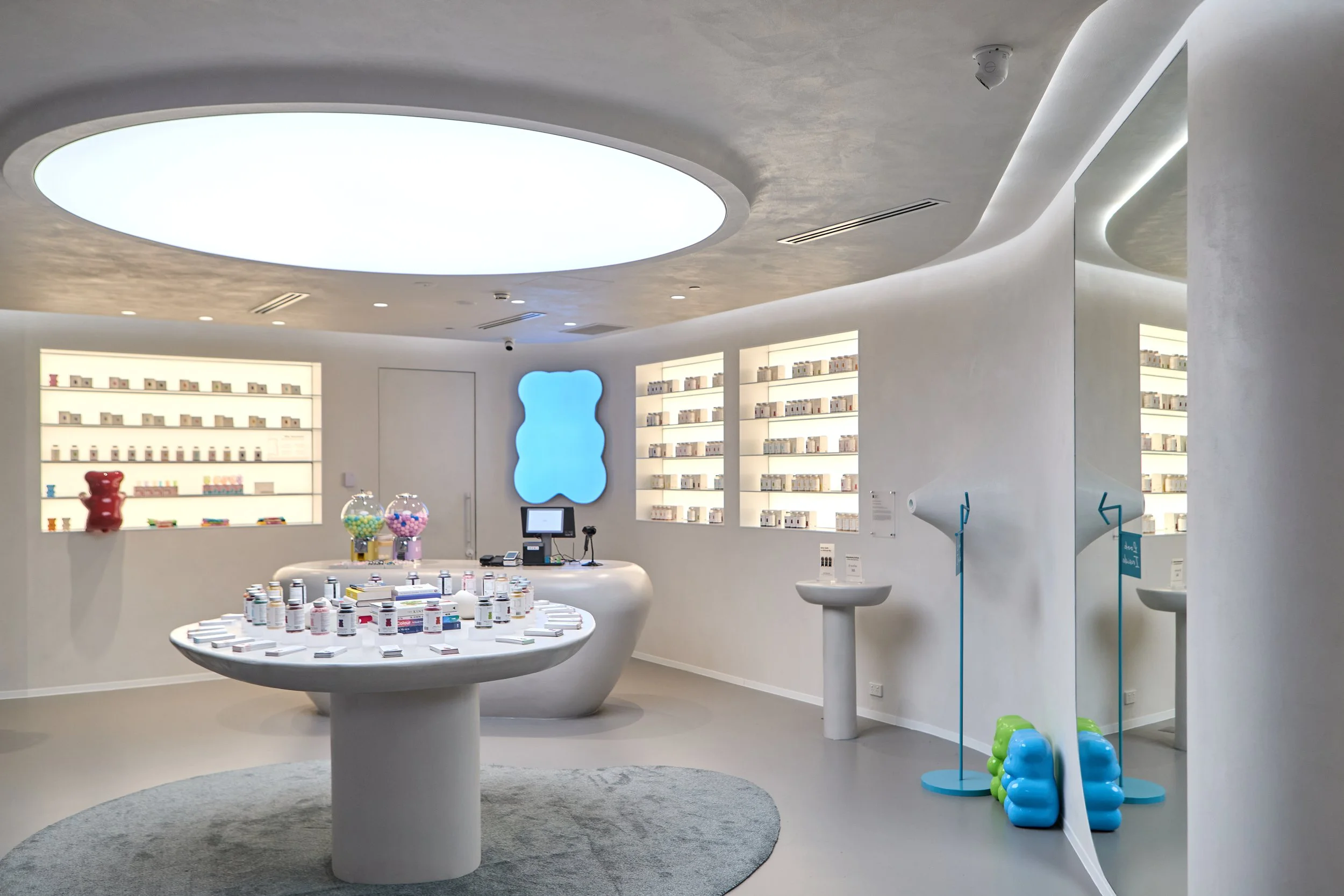

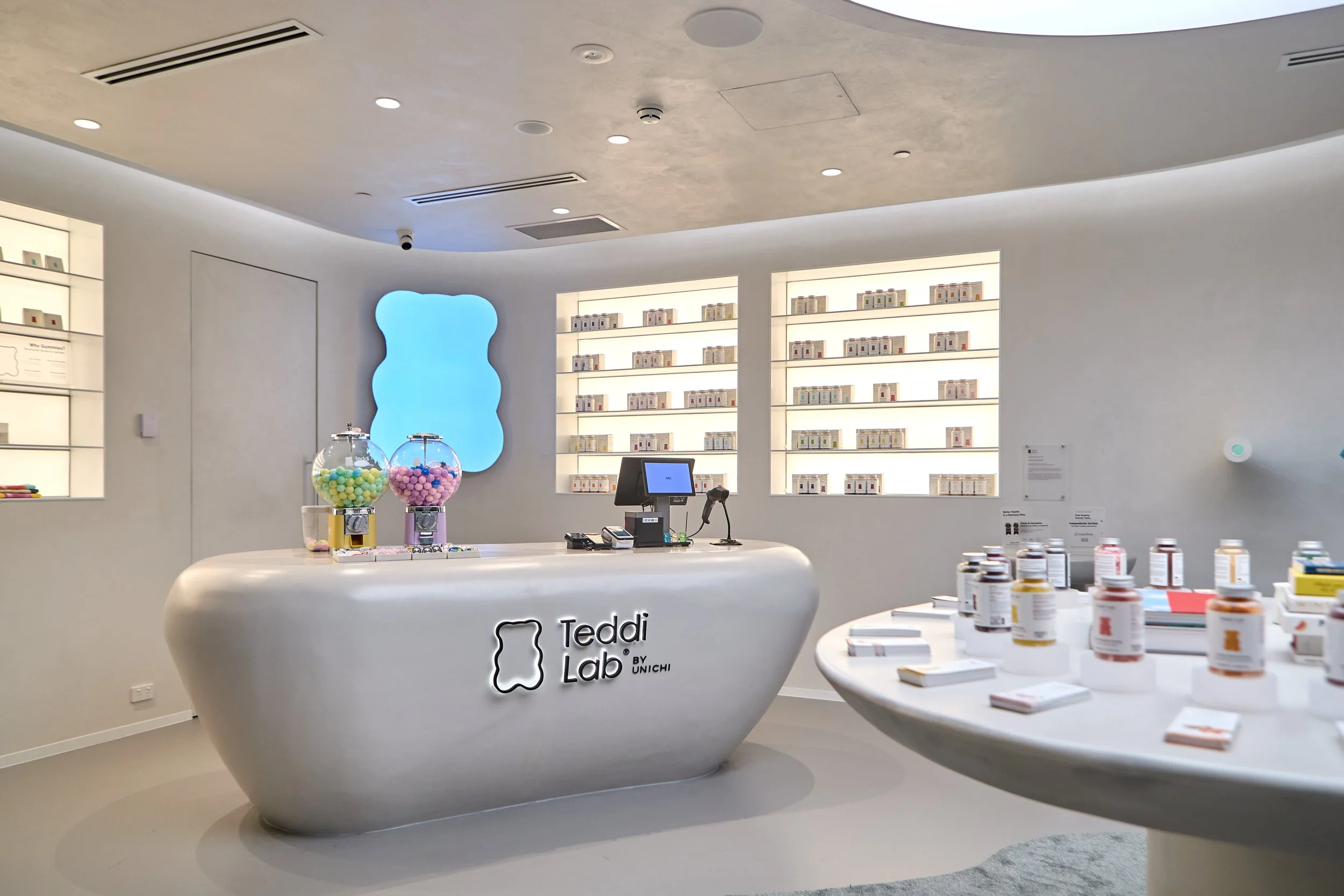


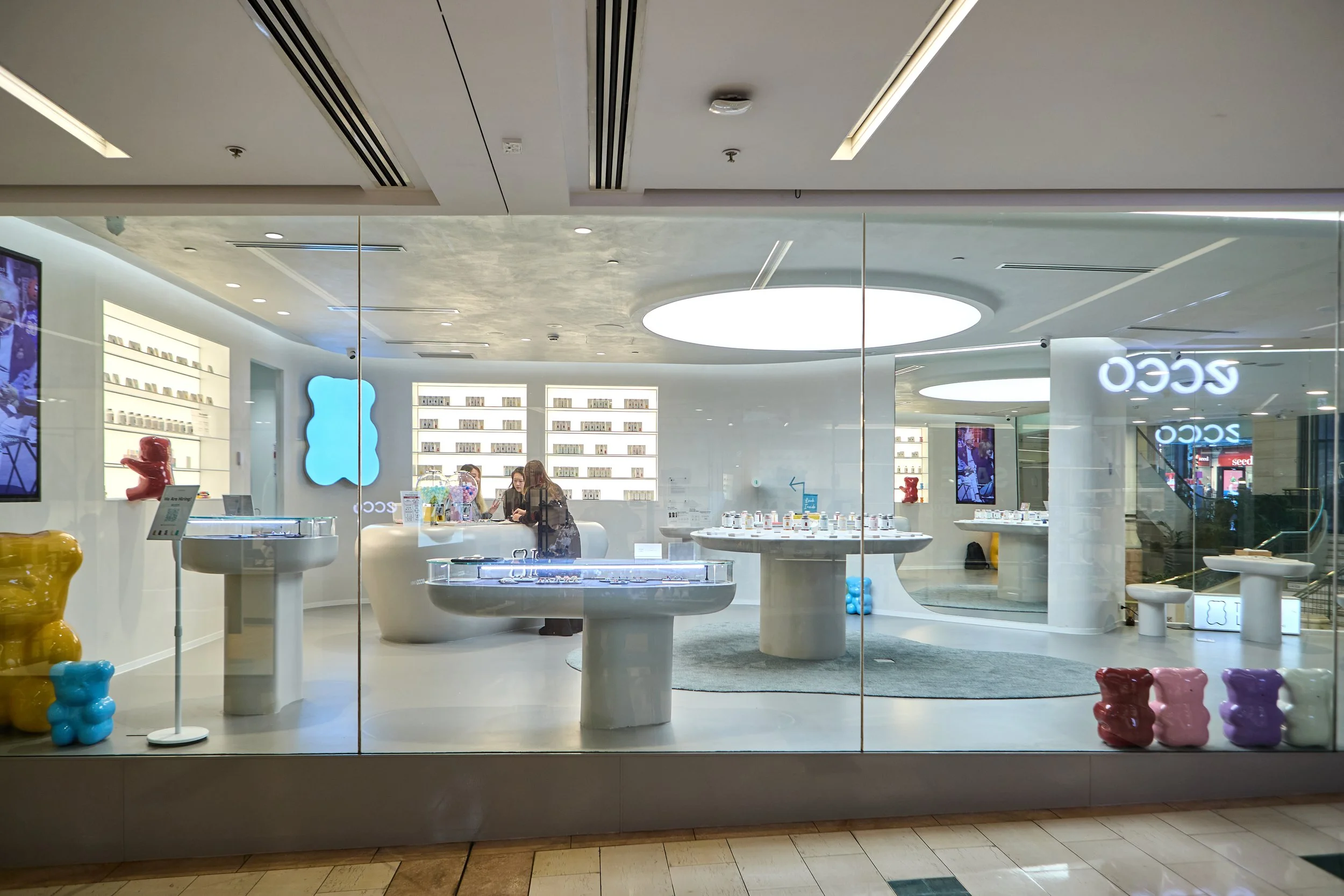
Commercial fitouts can involve clients, designers, architects, engineers, consultants, landlords, centre management, suppliers and specialist trades. Each party may have different responsibilities, but their work ultimately needs to come together during construction.
Trinity Insight: We coordinate our shopfitting works closely with the client, project consultants, suppliers and relevant stakeholders, ensuring our trades and construction activities are aligned with the current documentation and overall project programme.
Effective coordination is particularly important when architectural, structural, services and specialist requirements intersect on site.
4. Early Resolution Supports Smoother Delivery
Late changes can affect procurement, fabrication, trade sequencing and the construction programme. Resolving buildability questions, material requirements, shop drawings and construction details before the relevant works commence can significantly reduce uncertainty during delivery.
Trinity Insight: We review construction information and coordinate relevant shopfitting details early, raising potential issues with the appropriate project stakeholders before they affect fabrication or installation wherever possible.
The more that can be resolved before construction reaches that stage, the fewer surprises there are on site.
5. Quality Is Managed Throughout the Fitout
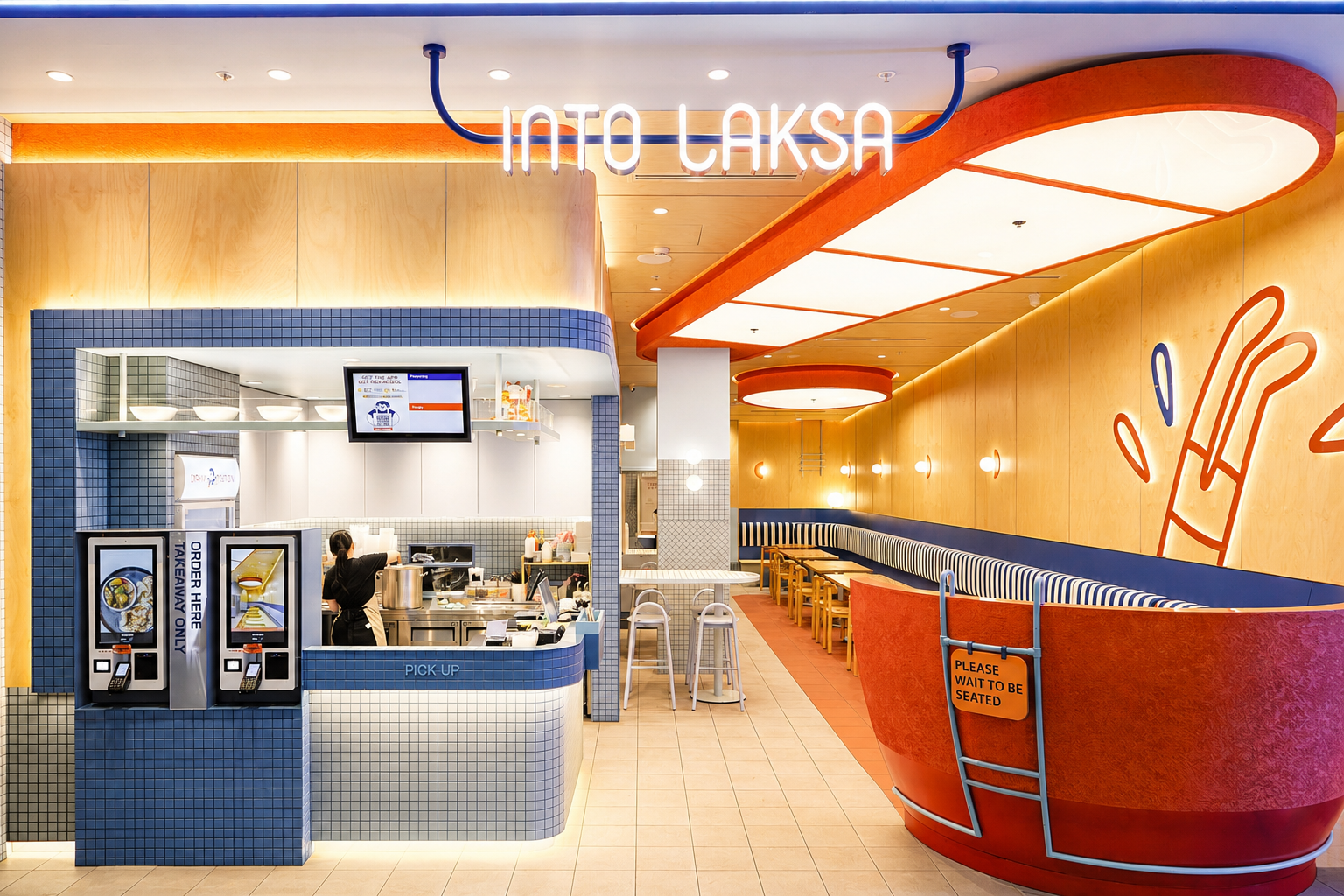
Quality isn't created through a final inspection alone. It begins during procurement and fabrication and continues through installation, finishing and handover. Consistency across these stages is particularly important where bespoke joinery, specialist finishes and detailed interfaces are involved.
Trinity Insight: We maintain a strong focus on workmanship throughout fabrication and installation, reviewing the execution of our works against the project requirements and resolving issues as construction progresses.
The objective is consistent quality from the workshop through to the finished fitout.
6. Coordinated Systems Help Protect the Programme
Fitout delays aren't always caused by one major problem. A late material delivery, unresolved shop drawing, delayed approval or poorly sequenced trade can affect several activities that follow.
Trinity Insight: We coordinate procurement, fabrication, trade sequencing and site activities against the project programme, helping identify dependencies early and maintain momentum throughout construction.
This becomes particularly important on fast turnaround fitouts, where multiple activities may need to progress within tight delivery windows.
7. The Process Continues Through to Handover
A structured delivery process shouldn't stop when the major construction works are finished. Final inspections, defect rectification, testing where applicable, documentation and handover all contribute to completing the project properly.

Trinity Insight: We maintain the same attention to coordination through the final stages of delivery, working through outstanding items and our handover requirements so the completed fitout is ready for its intended use.
A successful shopfitting project isn't simply about reaching the end of construction. It's about delivering the required standard through to completion.
Final Word
Successful commercial fitouts rely on more than good workmanship. Clear planning, coordinated documentation, disciplined procurement, trade sequencing and consistent site management all contribute to greater certainty throughout delivery.
At Trinity Shopfitting, we bring these elements together through a structured approach to commercial fitout delivery—working closely with clients, designers, consultants, suppliers and trades to turn documented design intent into a completed space.
From procurement and fabrication through to construction and handover, our focus remains on clear coordination, quality workmanship and reliable delivery.
Looking for a shopfitting partner with the systems and experience to deliver your next project? Let's discuss your project.
